EN
EN

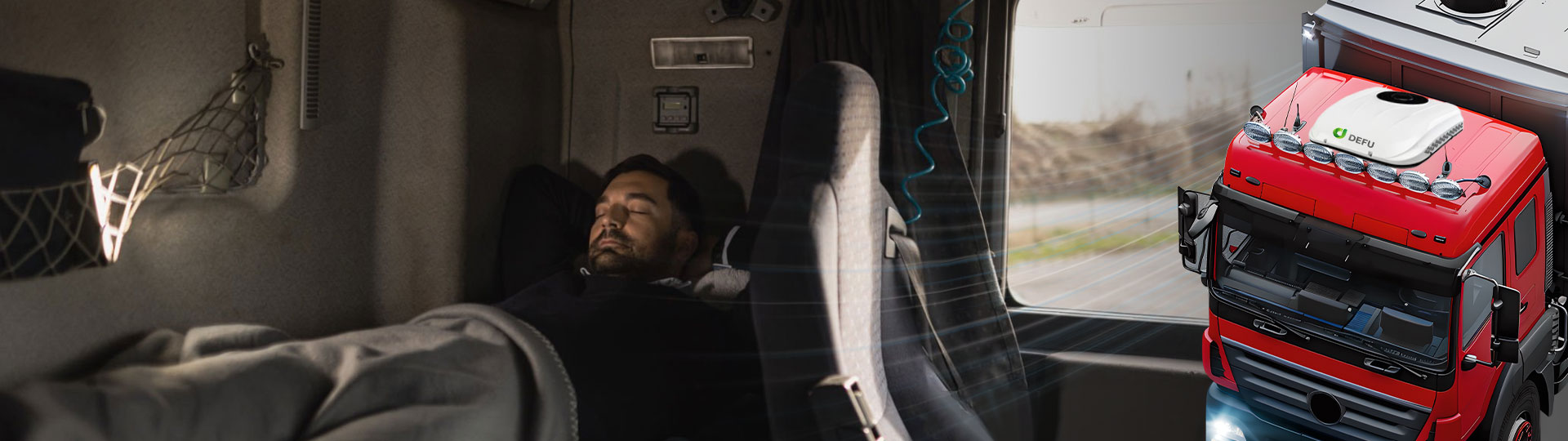
The Math of Sustainability: Calculating the ROI of Switching to Electric Parking Coolers
The Math of Sustainability: Calculating the ROI of Switching to Electric Parking Coolers
In the B2B transportation sector, sustainability is often discussed in terms of carbon footprints and ESG (Environmental, Social, and Governance) scores. However, for fleet owners, the most compelling argument for "green" technology is the return on investment (ROI). Switching from engine-idling to Electric Parking Coolers is one of the few sustainability initiatives that pays for itself in months, not years.
The Hidden Cost of Idling
A typical Class 8 truck engine consumes approximately 0.8 to 1.2 gallons (3.0 – 4.5 liters) of diesel per hour when idling to provide climate control. With diesel prices fluctuating, this cost is a significant drain on profitability. Furthermore, idling increases "engine hours," leading to more frequent oil changes and DPF (Diesel Particulate Filter) cleanings.

The Electric Alternative: Performance Specs
System:
- 24V DC Electric Parking Cooler
Cooling Capacity:
- 8,500 BTU
Power Consumption:
- 600W (approx. 0.6 kWh per hour)
Maintenance:
- Virtually zero (no moving parts outside the compressor/fan)
Calculating the ROI (Case Study)
Consider a truck that operates 250 days a year and requires 8 hours of cooling per day.
Scenario A: Engine Idling
- Fuel Cost: $4.00/gallon
- Idle Consumption: 1.0 gallon/hr
- Daily Cost: $32.00
Annual Fuel Cost: $8,000
Scenario B: Electric Parking Cooler
- Charging Cost (via alternator while driving): Negligible
- Battery Wear: Minimal with Lithium-ready systems
- Maintenance: $50/year (filter cleaning)
Annual Operational Cost: <$200
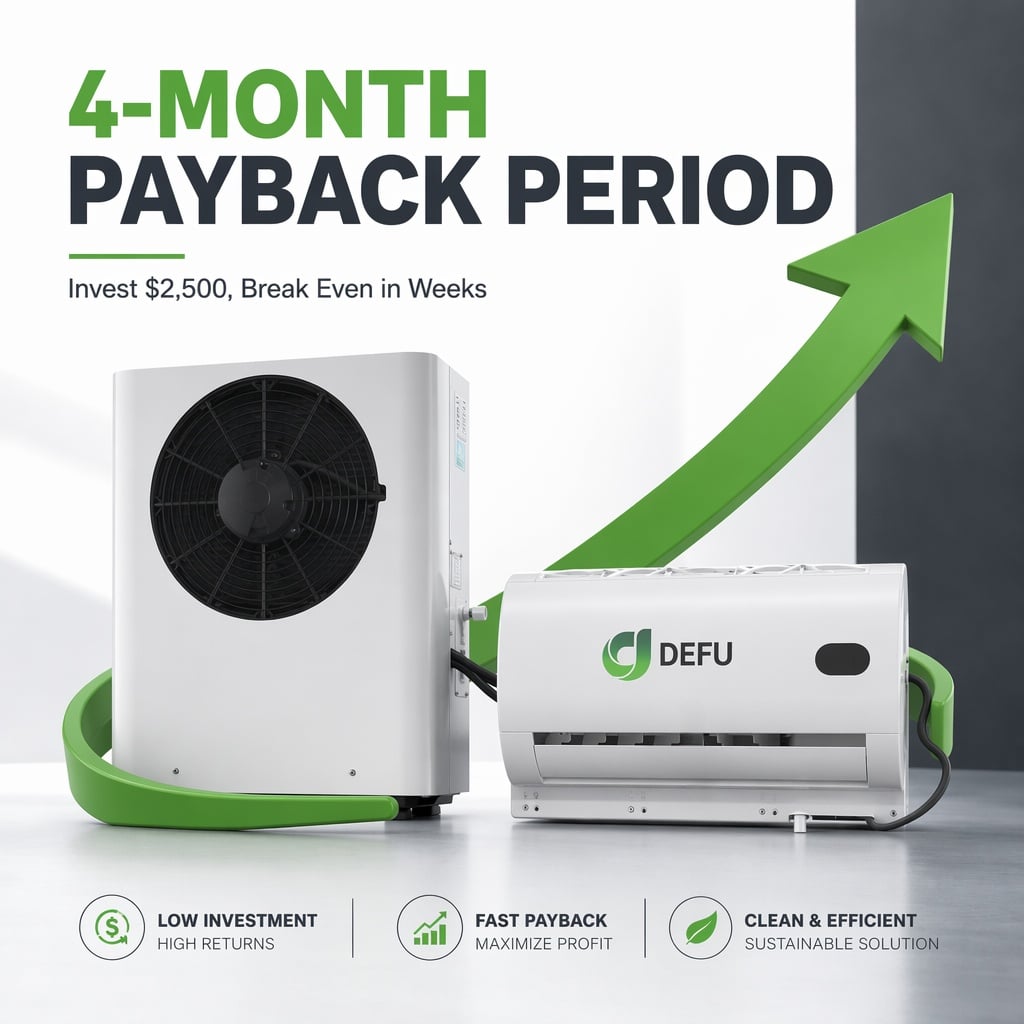
The Payback Period: With an average unit and installation cost of 2,500, the fuel savings alone allow the unit to break even in just 4 to 6 months.
Environmental Impact
Beyond the math, the sustainability benefits are clear. An electric cooler reduces CO2 emissions by approximately 20 tons per truck, per year. As more cities and ports introduce "No-Idle" zones and fines, the electric cooler becomes a necessity for compliance.
Secondary ROI: Resale Value and Engine Longevity
While fuel savings are the most visible benefit, the long-term impact on the vehicle's residual value is equally important.
Engine Hours:
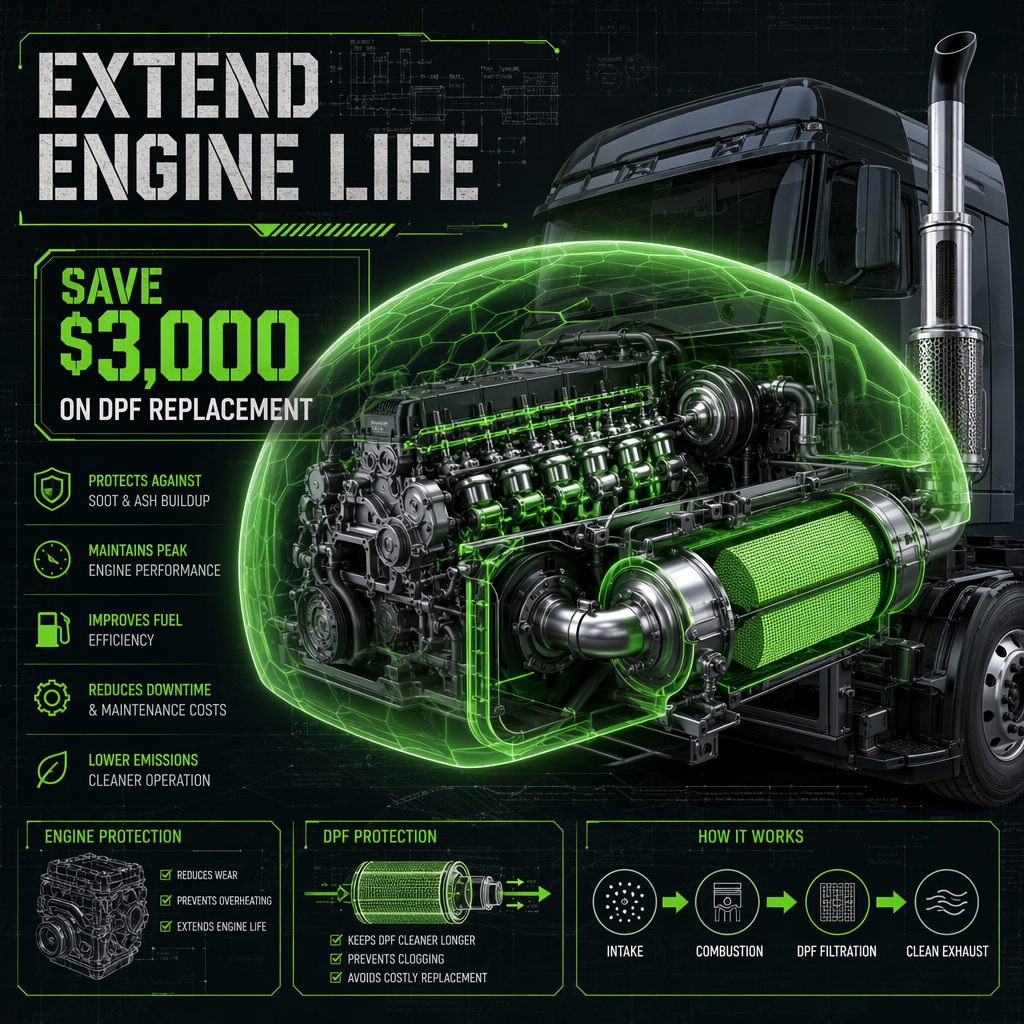
- Reducing idle time by 2,000 hours per year can extend the life of an engine by up to two years. This translates to higher resale values at the end of a lease.
Maintenance Intervals:
- Fewer idle hours mean longer intervals between oil changes, air filter replacements, and DPF (Diesel Particulate Filter) regenerations. A single DPF replacement can cost over $3,000, a cost that is significantly deferred by using electric parking coolers.
Tax Incentives and "Green" Financing
In many regions, including the US and EU, there are tax credits and grants available for businesses that adopt anti-idling technology. Programs like the EPA’s SmartWay or local state-level grants can subsidize the initial purchase price by 25% to 50%, bringing the ROI payback period down to as little as 3 months.
Battery and Safety Synergy
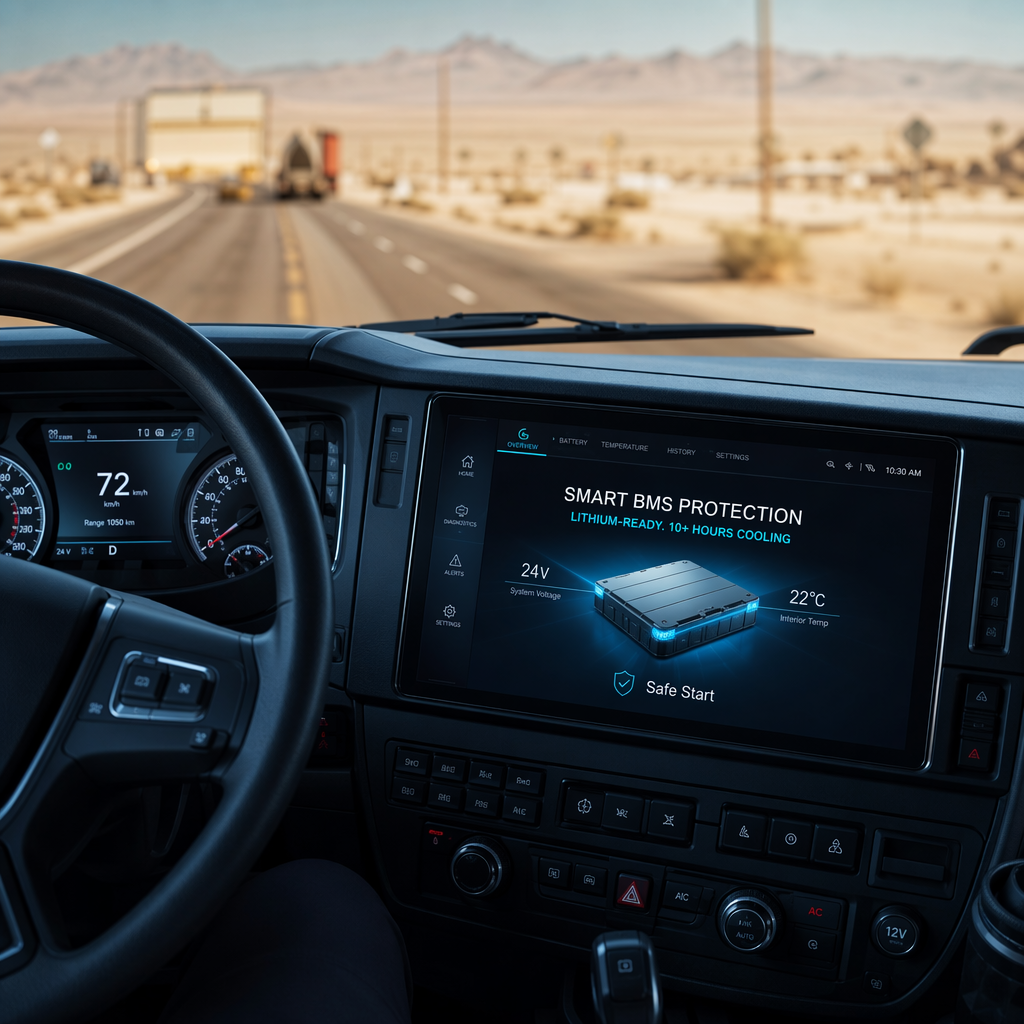
Modern electric coolers are Lithium-ready, allowing fleets to utilize advanced battery tech for 10+ hours of cooling without engine starts. This also enhances driver safety by ensuring the truck's main cranking batteries are never depleted. The system's intelligent battery management system (BMS) monitors the voltage and will automatically shut off the AC if the battery drops below a safe starting threshold (e.g., 23.5V for a 24V system), preventing "jump-start" delays and the associated downtime costs.
Conclusion
The math of sustainability is simple: less fuel, less maintenance, and more uptime. For fleet managers looking to improve their bottom line while meeting green mandates, the switch to electric parking coolers like the DEFU series is a high-yield investment that protects both the environment and the company's financial health.