EN
EN

Van Life and 12V DC: The Benefits of Inverter-Free Cooling for Modern Nomads
Van Life and 12V DC: The Benefits of Inverter-Free Cooling for Modern Nomads
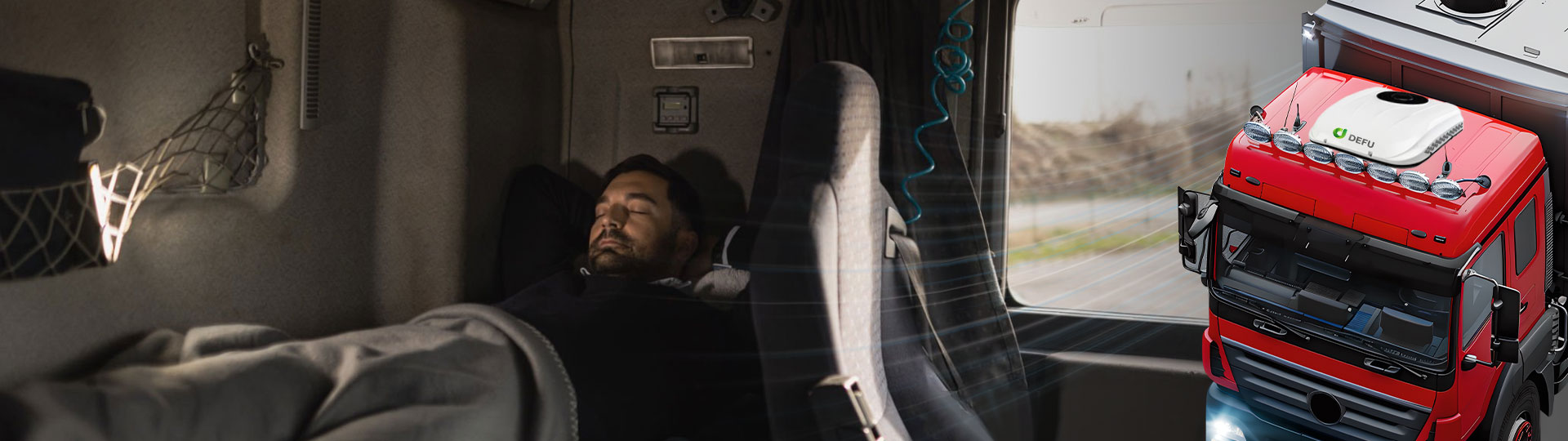
The "Van Life" movement has transitioned from a niche hobby to a full-blown professional lifestyle for digital nomads and mobile businesses. As these modern nomads seek comfort in remote locations, the demand for efficient climate control has skyrocketed. The most significant technological leap in this sector is the shift toward 12V DC Inverter-Free cooling.
Why "Inverter-Free" Matters
Traditionally, van dwellers used 110V or 220V rooftop AC units, which required a large inverter to convert DC power from batteries into AC power. This process is inherently inefficient, often losing 10% to 15% of energy as waste heat.

Direct 12V DC units (like the DEFU 12V series) connect directly to the battery bank. By eliminating the middleman—the inverter—users gain:
Extended Runtime:
- Up to 2 extra hours of cooling per charge.
Reduced Heat:
- No inverter heat added to the small interior space.
Simplicity:
- Fewer components mean fewer failure points in remote locations.
Technical Performance Data
For a standard van conversion (e.g., Mercedes Sprinter, Ford Transit), the following specs are industry-leading:
Voltage:
- 12V DC
Cooling Capacity:
- 7,500 BTU (ideal for 6-8 sqm spaces)
Rated Power:
- 500W – 800W
Current Draw:
- 40A – 70A (Variable depending on mode)
Solar Panel Synergy and Energy Management
The true power of 12V DC cooling is realized when combined with a robust solar array. Modern van builds often feature 400W to 800W of rooftop solar. Because a 12V AC unit like the DEFU R1 draws DC power directly, it can be perfectly synchronized with solar production. During peak sun hours, the solar panels can power the AC unit directly while simultaneously topping off the lithium batteries. This creates a "closed-loop" cooling system that allows for indefinite off-grid living in sunny climates without ever needing to plug into shore power.
Professional Installation and Ventilation Tips
To get the most out of a 12V DC system, professional builders recommend:
Short Cable Runs:
- Using high-gauge (e.g., 2AWG or 0AWG) copper cabling to minimize voltage drop between the battery bank and the AC unit.
Strategic Condenser Placement:
- Ensuring the external unit (in split systems) has at least 30cm of clearance for optimal airflow.
Internal Insulation:
- Pairing the 12V AC with high-quality Thinsulate or Havelock Wool insulation to reduce the thermal load on the unit.
Lithium-Ready: The Perfect Match
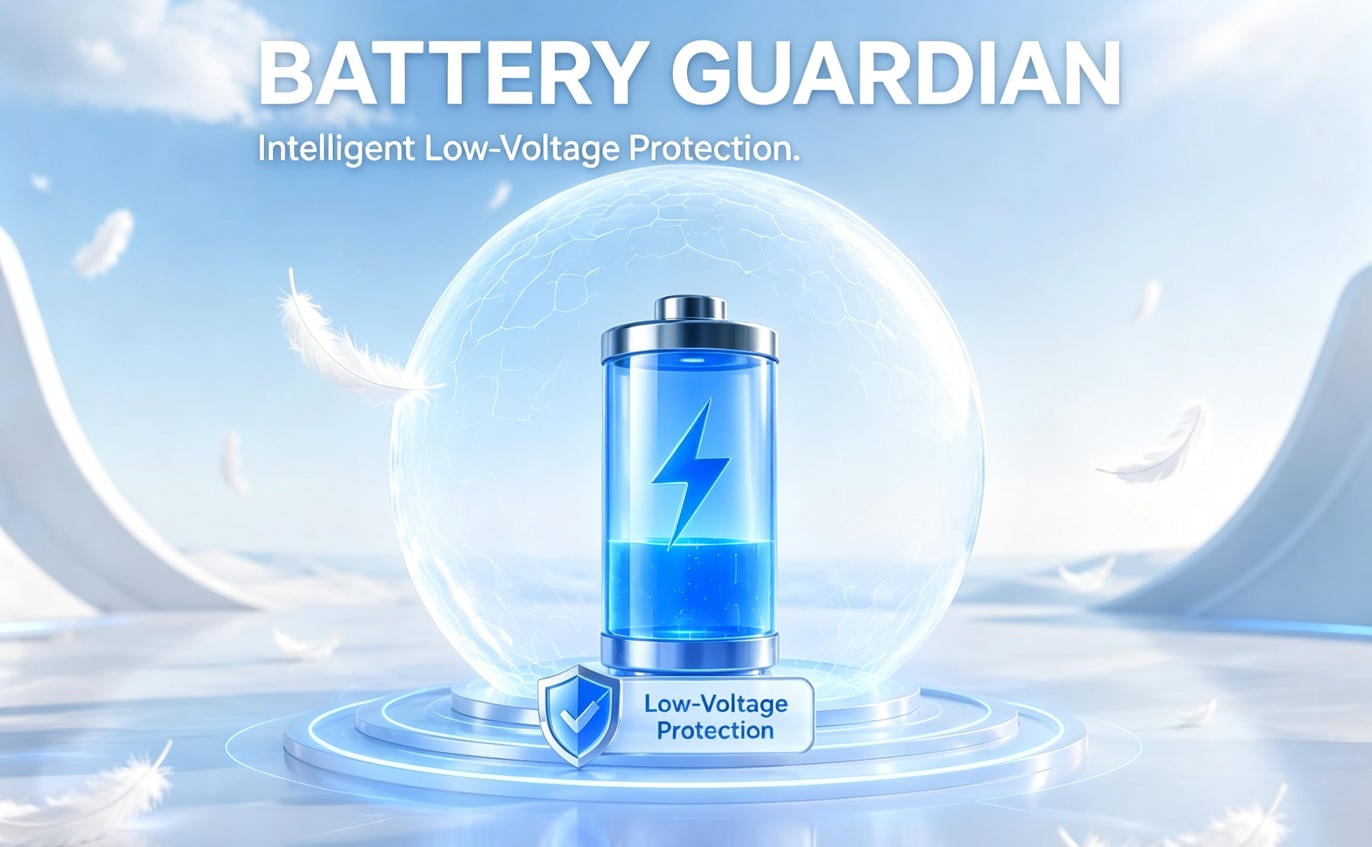
Modern nomads almost exclusively use Lithium Iron Phosphate (LiFePO4) batteries. 12V DC parking coolers are specifically designed to handle the discharge characteristics of Lithium. These units often feature Low-Voltage Protection (LVP) with adjustable thresholds, ensuring that the AC unit shuts off before the battery is fully depleted. This protects the lifespan of the expensive battery bank, which can cost upwards of $1,000 per 100Ah.
Conclusion
For the modern nomad, efficiency is the currency of freedom. By choosing a 12V DC inverter-free cooling system, van dwellers can stay longer in the wild, enjoy silent nights, and maximize their solar and lithium investments. It is the smartest upgrade for any professional mobile build seeking true independence.