EN
EN

The "Lithium Leap": Why the 2030 Fleet Architecture Depends on Integrated Energy-Climate Hubs
[Future Insights] The "Lithium Leap": Why the 2030 Fleet Architecture Depends on Integrated Energy-Climate Hubs
The Obsolescence of Lead-Acid: A Structural Shift in Energy Storage
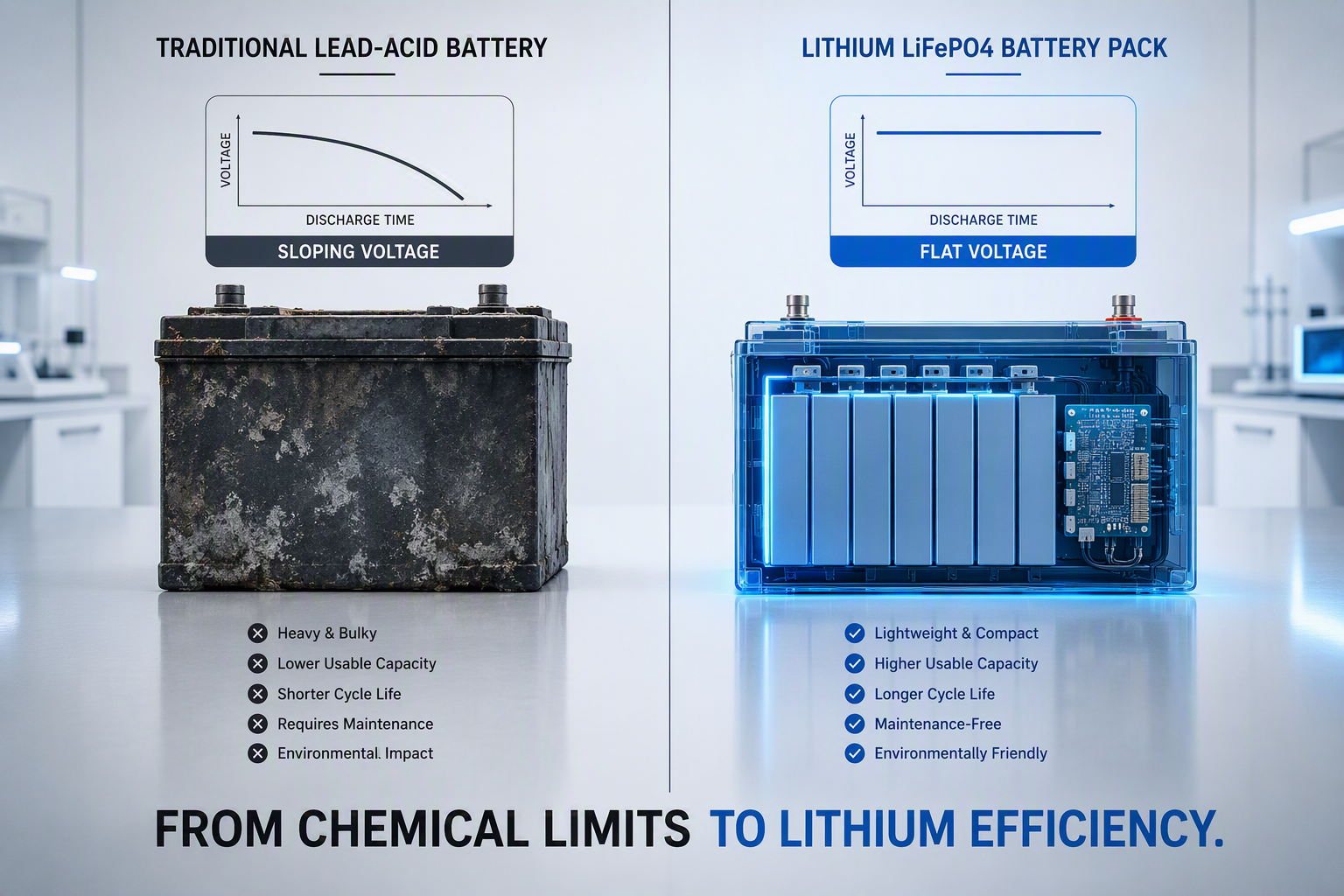
For nearly a century, the 12V/24V lead-acid battery has been the undisputed king of the vehicle electrical system. However, we have reached the "Chemical Limit" of lead-acid. Its low energy density, limited cycle life (200-400 cycles), and poor performance in deep-discharge scenarios make it fundamentally incompatible with the 24/7 operational demands of modern logistics. The industry is currently in the midst of a "Lithium Leap" toward LiFePO4 (Lithium Iron Phosphate) technology. DEFU is the first Parking AC manufacturer to fundamentally "Re-Engineer" its systems to act as the central hub of this new energy architecture.
The "Lithium-First" Algorithm: Managing the "Flat Curve"
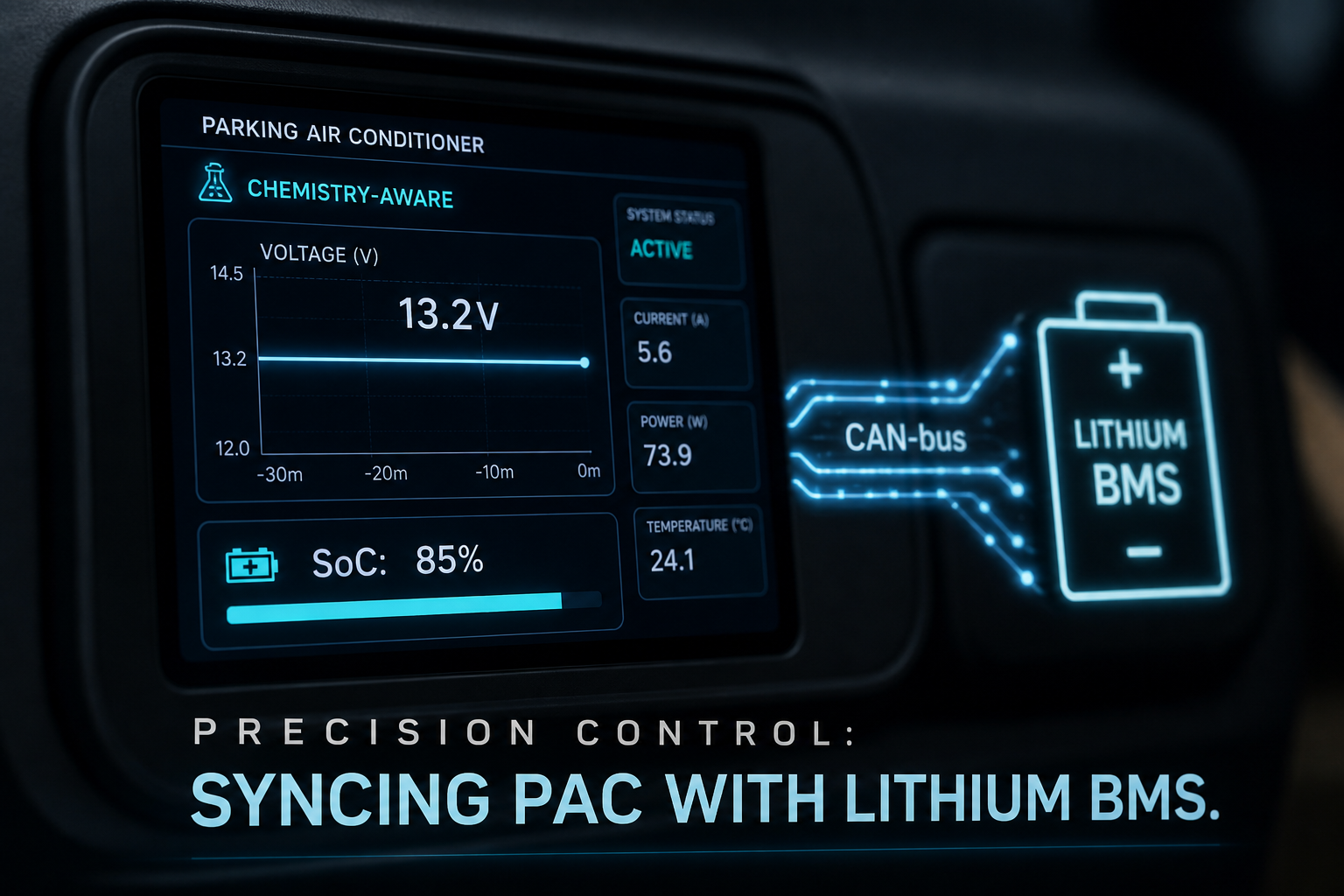
Lithium batteries are not just "better batteries"; they are a different electrical animal. Unlike lead-acid, which shows a steady voltage drop as it discharges, lithium maintains a nearly flat voltage (around 13.2V for a 12V bank) until it is 90% depleted, at which point the voltage drops precipitously. Traditional "dumb" AC controllers, designed for the sloping curve of lead-acid, often misinterpret this flat curve, leading to "Safety Cut-offs" that are either too early or dangerously late. DEFU’s next-gen controllers utilize "Chemistry-Aware" algorithms. By communicating directly with the Battery Management System (BMS) via CAN-bus, the DEFU unit knows the *exact* SoC (State of Charge) and can extract every usable watt-hour of energy without risking a cell-level shutdown.
From Accessory to "Energy Hub": The Multi-Source Integration Trend
By 2030, the truck cabin will be a "Self-Sustaining Microgrid." We are seeing the convergence of three technologies: High-Efficiency PACs, Ultra-Thin Flexible Solar, and Large-Format Lithium Banks. DEFU is positioning its PACs as the "Energy Hub" of this ecosystem. Our future-ready controllers are designed to manage the "Power Balance" between solar input, alternator charging, and AC output. Imagine a scenario where, during a rest stop in the Spanish sun, the vehicle’s flexible solar panels generate 400W of power, while the DEFU PAC draws 350W. The cab remains cool at a "Net Positive" energy balance—the batteries are actually *charging* while the AC is running. This is the "Zero-Cost Comfort" model that DEFU is already delivering to pioneering upfitters today.
Sustainability and the "Circular Economy" of Batteries
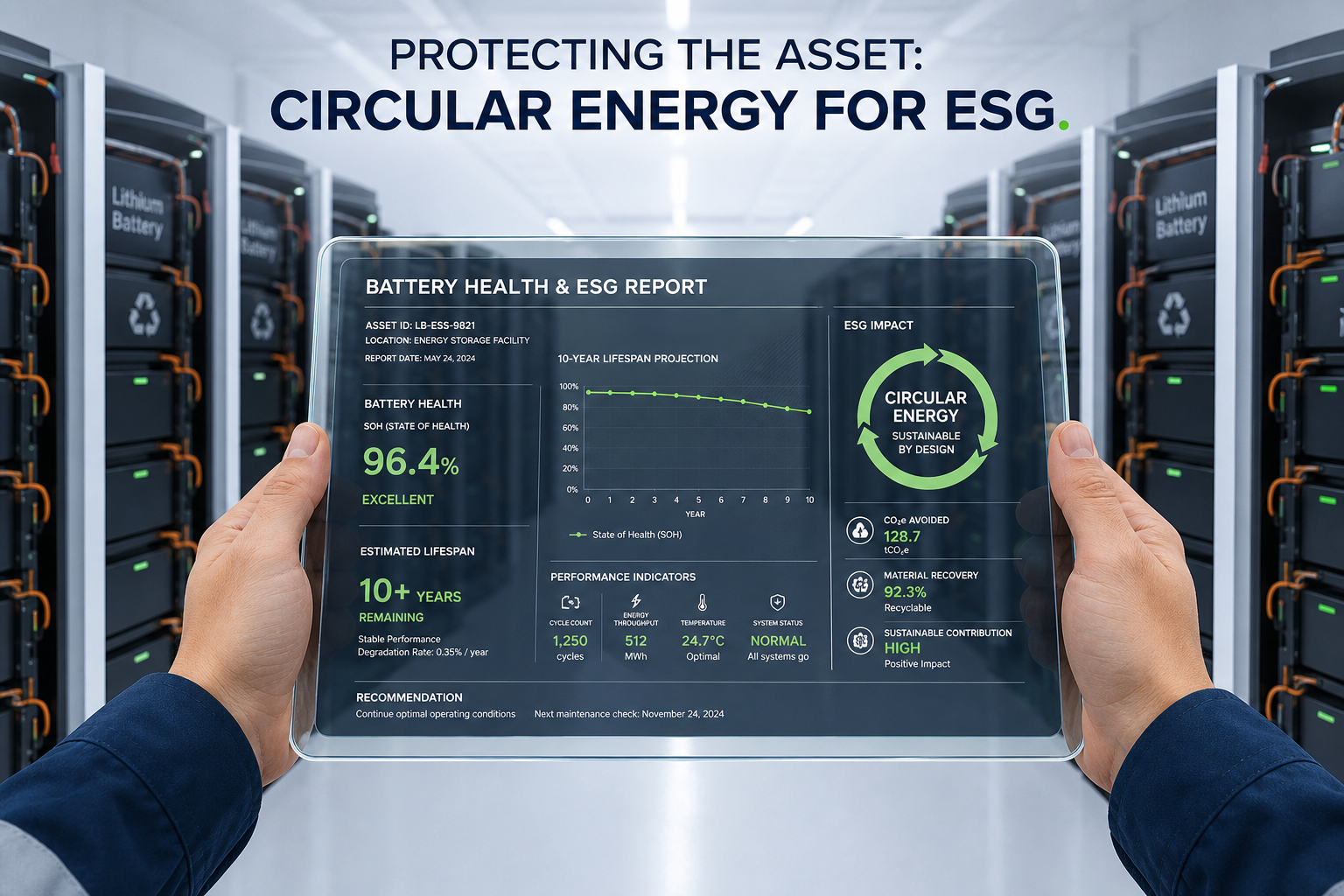
As fleets move toward lithium, "Battery Lifecycle Management" becomes a critical cost and environmental factor. DEFU’s precision inverter control extends the life of expensive lithium banks by avoiding "High-Amperage Spikes" and maintaining a stable thermal profile within the battery compartment (via integrated fan management). By protecting the lithium asset, DEFU ensures that the batteries can be "Second-Lifed" for stationary storage after the truck is decommissioned, enhancing the "Circular Economy" value of the vehicle and aligning with global ESG mandates.
The Opportunity for Strategic Distributors: Leading the Transition
The "Lithium Leap" represents the greatest profit opportunity for vehicle component distributors in a generation. Selling a standalone AC is a commodity business; selling an "Integrated Energy-Climate Solution" is a high-margin, professional service business. DEFU provides its strategic partners with the wiring kits, the busbar designs, and the "BMS-Handshake" protocols needed to lead this transition. By aligning with DEFU, you are not just selling a cooler; you are selling the "Power Architecture of 2030."
Conclusion: Defining the Next Era of Mobility
The transition to engine-independent, lithium-powered cabins is an irreversible trend. DEFU is the only manufacturer with the engineering depth and digital foresight to lead this change. We invite the forward-thinking distributors and fleet managers of the world to join us. The future of the commercial cabin is silent, it is electric, and it is powered by DEFU.