Surviving BR-116 and Coastal Maresia: Why Anti-Corrosive Copper Condensers are Crucial for Truck ACs Meta Description: Severe vibrations from Brazilian roads and high-salinity coastal sea fog (maresia) easily destroy standard aluminum truck ACs....
Meta Description: Severe vibrations from Brazilian roads and high-salinity coastal sea fog (maresia) easily destroy standard aluminum truck ACs. Discover the durability of copper tube condensers.
Heavy-duty trucks in Brazil operate under some of the most punishing environmental conditions on earth. Vehicles transporting soybeans, meat, and consumer goods run thousands of kilometers on notoriously bumpy highways like B-116 and BR-101. At the same time, a massive portion of the fleet spends days idling at major maritime ports like Santos and Paranaguá, exposed to highly corrosive coastal sea fog, locally known as maresia.
For vehicle modification workshops (oficinas) and truck body builders (implementadores), installing standard automotive air conditioners leads to high warranty claim rates. To build a robust reputation, workshops must install a heavy-duty ar condicionado resistente à maresia (sea fog resistant air conditioner).
The Double Threat: Vibration and Salt Spray Corrosion
Standard passenger car air conditioners and cheap parking coolers utilize all-aluminum microchannel heat exchangers. When deployed on Brazilian commercial trucks, they quickly fail due to two main failure points:
1. Vibration-Induced Cracking
Severe highway potholes and gravel roads cause extreme chassis twist and high-frequency cabin vibrations. Standard rigid aluminum joints cannot withstand this mechanical stress, leading to hairline fractures in the condenser coils and rapid refrigerant leakage. An estrutura antivibração para estradas irregulares (anti-vibration structure for irregular roads) is mandatory to prevent road damage.
2. High-Salinity Corrosion (Maresia)
The coastal air in ports is packed with sodium chloride. Aluminum reacts aggressively with salt and moisture, forming aluminum oxide (white rust). Within months, microchannel tubes pit and corrode, completely destroying the condenser's pressure-holding capabilities.
Coastal Sea Fog (Maresia) + Aluminum Condenser = Rapid Corrosion & Refrigerant Leaks
Coastal Sea Fog (Maresia) + DEFU Copper Condenser + Epoxy Coating = Decades of Maintenance-free Cooling
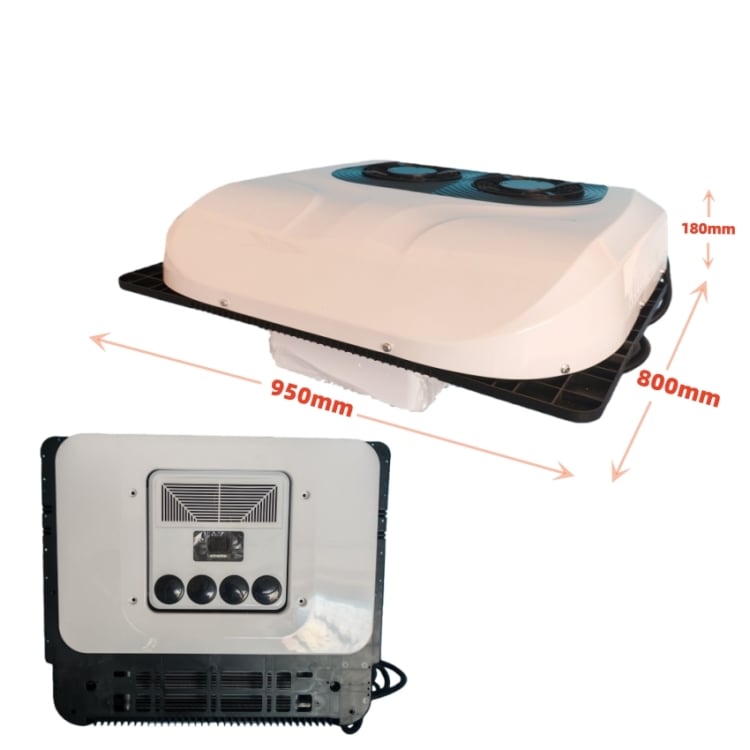
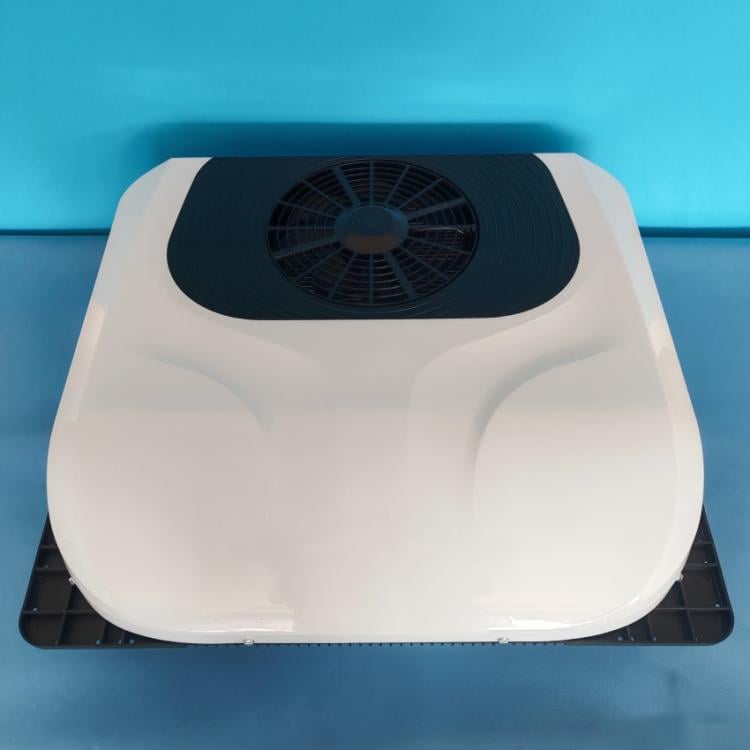
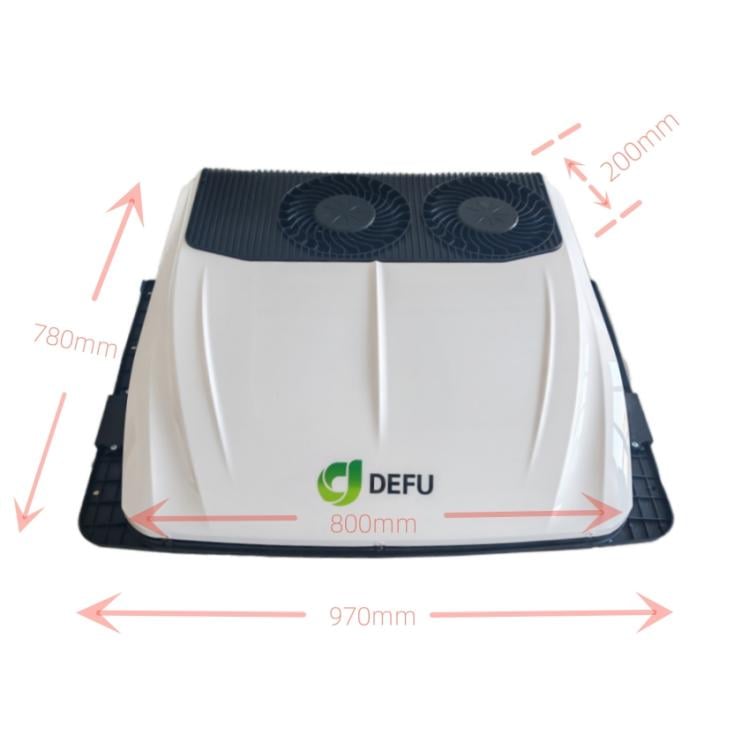
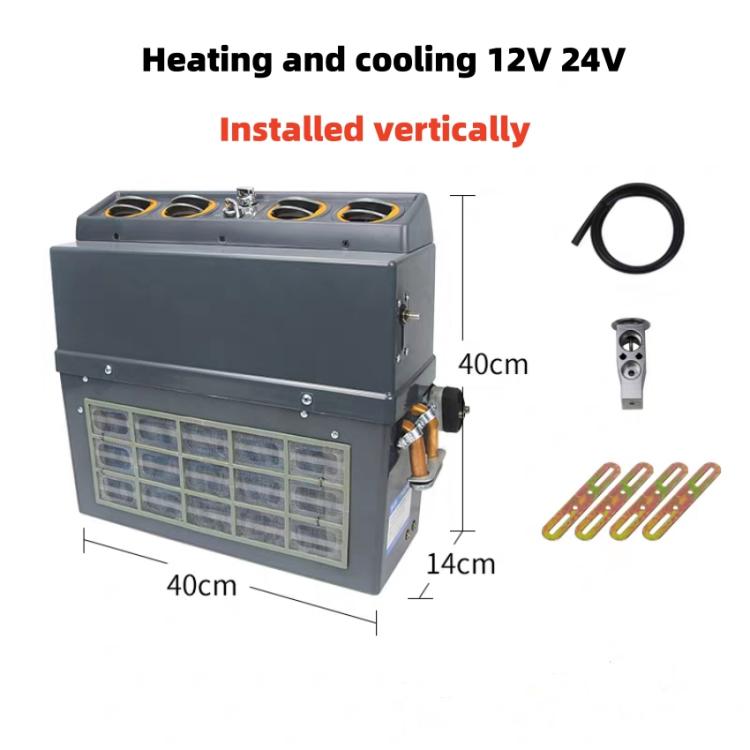
To address these harsh operational realities, DEFU has engineered a specialized, highly durable B2B product line featuring:
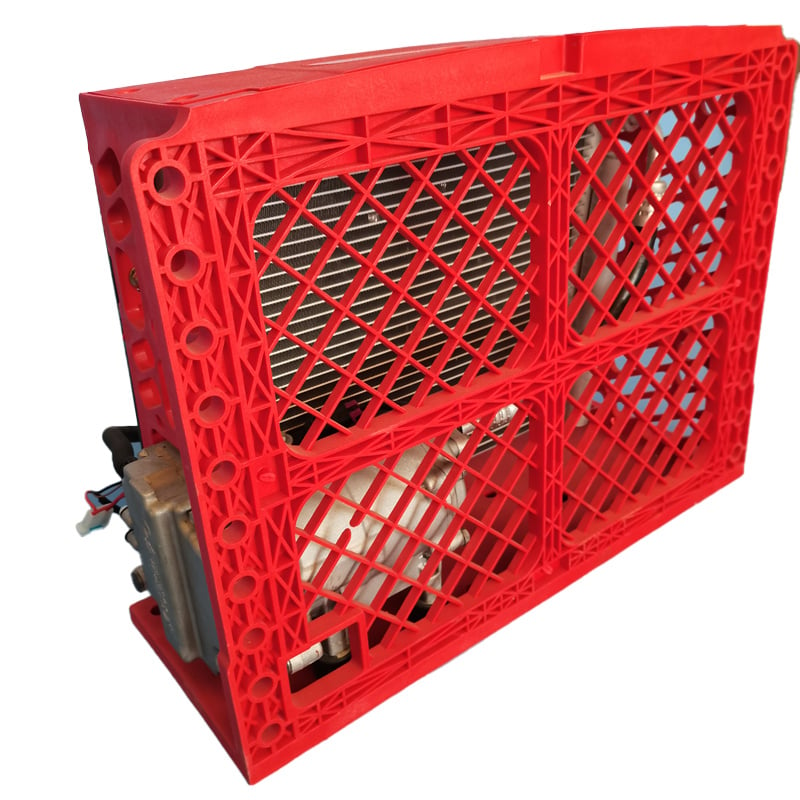
High-Purity Copper Tube & Aluminum Fin Condensers:
Known in Brazil as condensador de cobre resistente à corrosão, copper provides vastly superior tensile strength and ductility compared to aluminum, allowing the coils to absorb high-frequency road vibrations without cracking. Furthermore, copper is naturally resistant to saltwater corrosion.
Epoxy Coated Evaporators:
(epoxy coated evaporator) option. This industrial coating barrier prevents corrosion from moisture and acidic cleaning agents, sealing the heat exchanger surface from ambient air.
Reinforced Dampening Mounts:
equipamento de climatização robusto para mineração
(robust climate control equipment for mining and heavy transport).
If you run a workshop or custom vehicle modification company, your customers expect equipment that outlasts the vehicle. Cheap cooling units will ruin your brand's reputation with high failure rates. Transitioning to DEFU’s copper-built architectures ensures long-term customer satisfaction and minimal warranty claims.
Deliver maximum reliability to your truck fleet and heavy equipment customers.
Request a Material Spec Sheet:
WhatsApp Technical Support:
Message our engineers on WhatsApp
 EN
EN