EN
EN

Why the "Mochila" (Backpack) Style AC is Dominating the Latin American Van Market
Why the "Mochila" (Backpack) Style AC is Dominating the Latin American Van Market
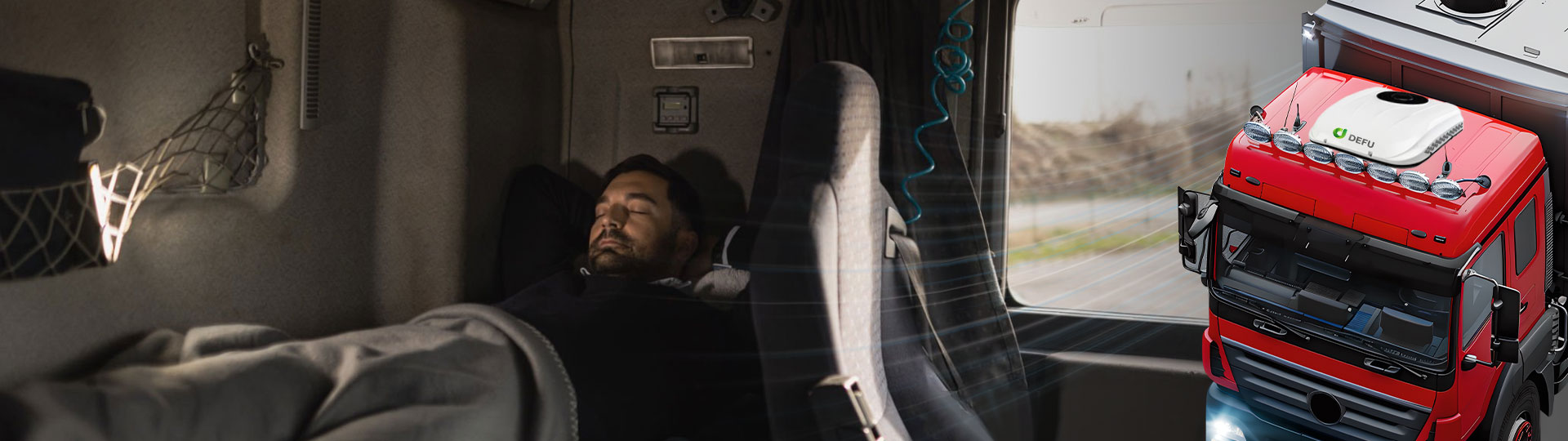
In the competitive landscape of Latin American transportation, particularly in Brazil, Mexico, and Colombia, one specific design of air conditioning has become the "gold standard" for passenger vans and minibuses: the "Mochila" or backpack-style unit. Known in the industry as ar condicionado para vans, these rear-mounted or roof-integrated systems have seen a surge in demand. But why is this specific configuration dominating the market?
What is a "Mochila" AC?
In the context of vehicle HVAC, a "Mochila" (the Portuguese and Spanish word for backpack) refers to an air conditioning system where the condenser and evaporator units are often integrated into a single housing mounted on the rear of the vehicle or prominently on the rear portion of the roof. To the casual observer, it looks like the van is carrying a backpack.

The Drivers of Dominance
1. Superior Thermal Performance in Tropical Climates
Latin America is home to some of the most demanding thermal environments in the world. In cities like Rio de Janeiro or Cartagena, ambient temperatures can soar, and humidity is high. Standard factory-installed AC units often struggle to cool the large interior volume of a 15 or 20-passenger van. The Mochila style allows for a much larger evaporator and condenser surface area, providing the high-capacity cooling needed to keep passengers comfortable. In Portuguese, this focus on climatização de vans is essential for customer satisfaction.
2. Maximizing Interior Space
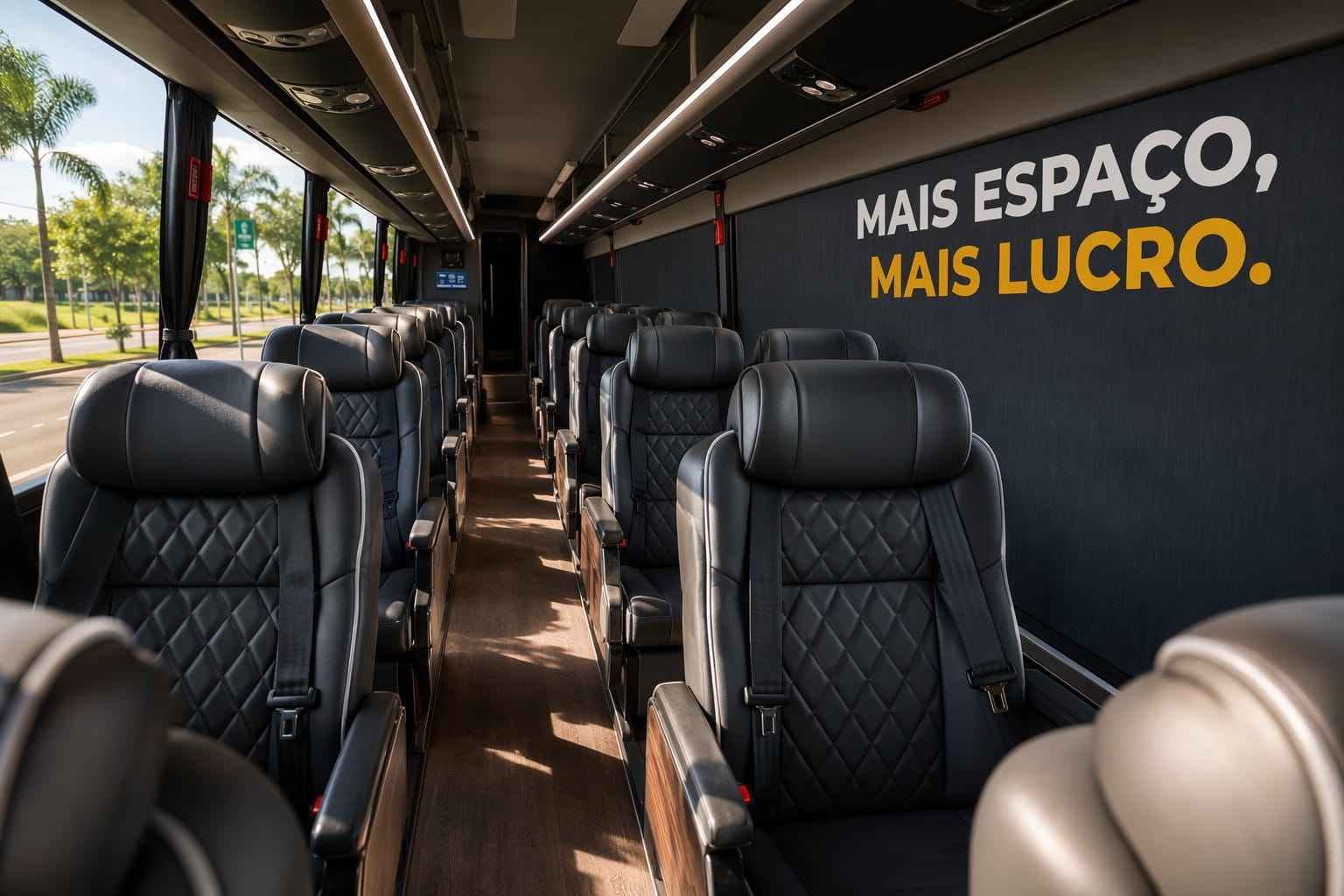
For B2B van operators—such as tourism companies, school transport providers (transporte escolar), and executive shuttles—every inch of interior space is revenue. Traditional interior-mounted AC units can take up valuable head-room or luggage space. By moving the heavy components to the exterior (the "backpack"), operators can maintain a spacious cabin while still providing premium cooling.
3. Ease of Installation and Maintenance
The "Mochila" design is often "plug-and-play." Because the components are bundled together, installation requires fewer modifications to the vehicle's chassis and interior. For maintenance, having the unit on the exterior makes it easily accessible for technicians to clean filters, check refrigerant levels, or swap out components without dismantling the van's interior trim. This reduces downtime, a critical factor for refrigeração de transporte.
Key Portuguese Keywords for the Market
For businesses looking to enter or expand in the Brazilian market, understanding the local terminology is vital for SEO and B2B communication:
Ar condicionado para vans:
- The general term for van air conditioning.
Refrigeração de transporte:
- Transport refrigeration, covering both passengers and cargo.
Climatização:
- The broader term for climate control and thermal comfort.
Unidade condensadora:
- Condenser unit.
Evaporador de teto:
- Roof-mounted evaporator.

Engineering for Reliability
The success of the Mochila AC in Latin America is also due to rugged engineering. These units are built to withstand the region's diverse road conditions—from paved highways to unpaved rural roads. High-quality manufacturers use heavy-duty mounting brackets and vibration-resistant piping to ensure the "backpack" stays secure over thousands of kilometers of travel.
Conclusion
The "Mochila" style AC has moved from a niche modification to a market necessity in Latin America. Its combination of high cooling capacity, space efficiency, and serviceability makes it the ideal choice for the region's hardworking van fleets. As the demand for premium passenger transport continues to grow, the ar condicionado de teto and backpack-style units will remain the backbone of the industry.