EN
EN

Green Logistics: The Role of Electric Reefers in Zero-Emission Urban Delivery
Green Logistics: The Role of Electric Reefers in Zero-Emission Urban Delivery
The global logistics industry is at a crossroads. As climate change takes center stage in international policy, the "Green Logistics" movement is transforming how goods are moved. For the refrigerated transport sector, the biggest shift is the move away from diesel-powered cooling toward zero-emission electric reefers. This transition is not just an environmental choice; it is a fundamental reconfiguration of urban delivery systems.
The Problem with Traditional Reefers
For decades, refrigerated transport relied on secondary diesel engines to power the cooling units. While effective, these "small" engines are often less regulated than the vehicle's main engine, emitting disproportionately high levels of particulate matter (PM), nitrogen oxides (NOx), and CO₂. In densely populated urban centers, these emissions contribute significantly to poor air quality. Furthermore, the noise generated by diesel reefers limits delivery hours, as many cities have strict noise ordinances during nighttime.
Electric Reefers: The Heart of Zero-Emission Delivery
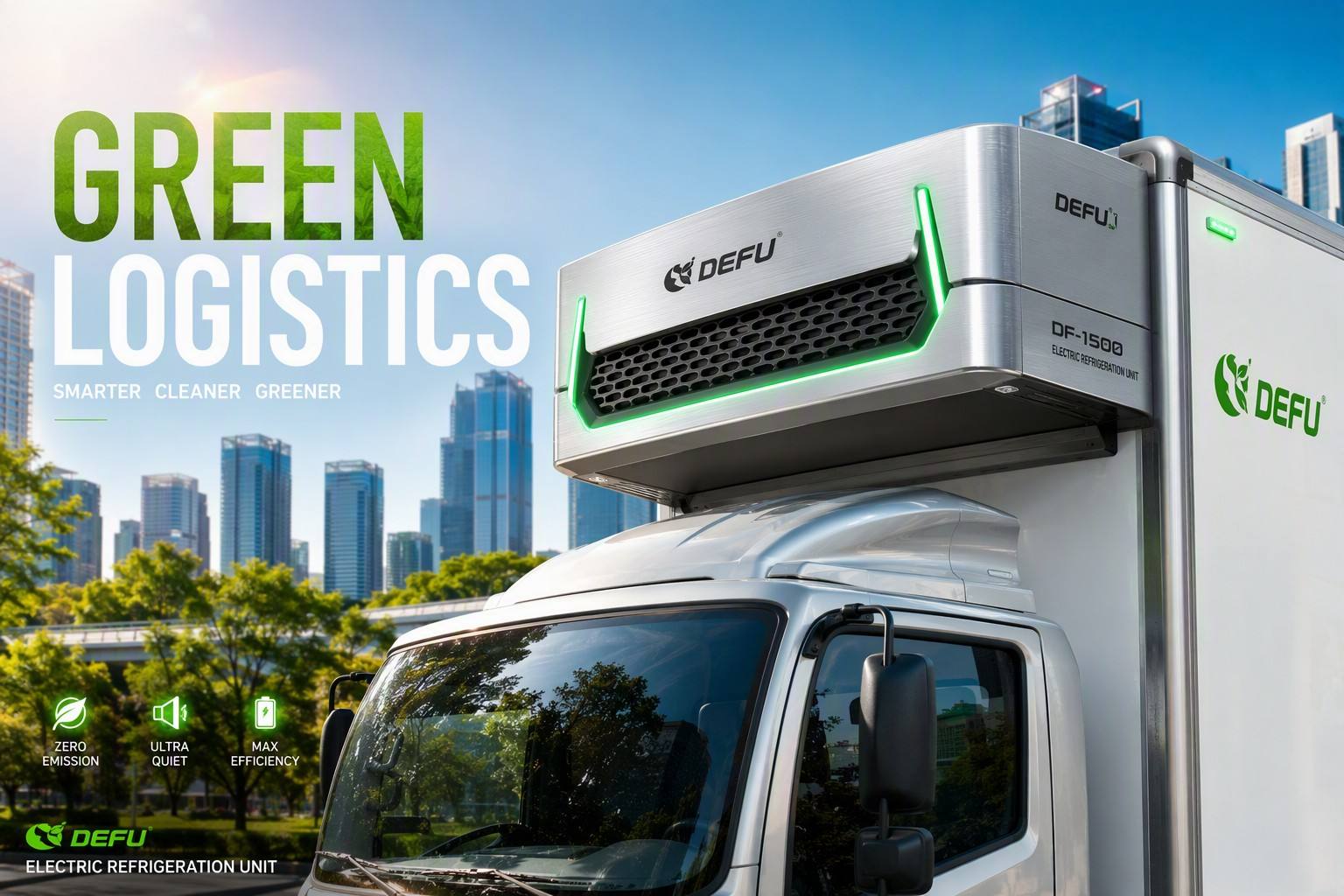
Electric refrigeration units (reefers) replace the internal combustion engine with a high-efficiency electric motor and compressor. These systems can be powered in three main ways:
Directly from the EV Battery:
1. In fully electric delivery vans, the reefer draws power from the main traction battery.
Dedicated Battery Packs:
2. For diesel or hybrid vehicles, a separate "power box" or battery system runs the cooling unit.
E-Axles and Energy Recovery:
3. Some advanced trailers use kinetic energy recovery systems (KERS) to charge batteries during braking.
The Strategic Benefits for B2B Fleets
1. Regulatory Compliance and "Green" Tenders
Many cities worldwide are establishing Low Emission Zones (LEZ) and Zero Emission Zones (ZEZ). Companies that do not transition to green logistics face heavy fines or total exclusion from these markets. Additionally, many large B2B clients (such as major supermarkets and pharmaceutical giants) now require their logistics partners to demonstrate a low carbon footprint to win contracts.
2. Operational Efficiency
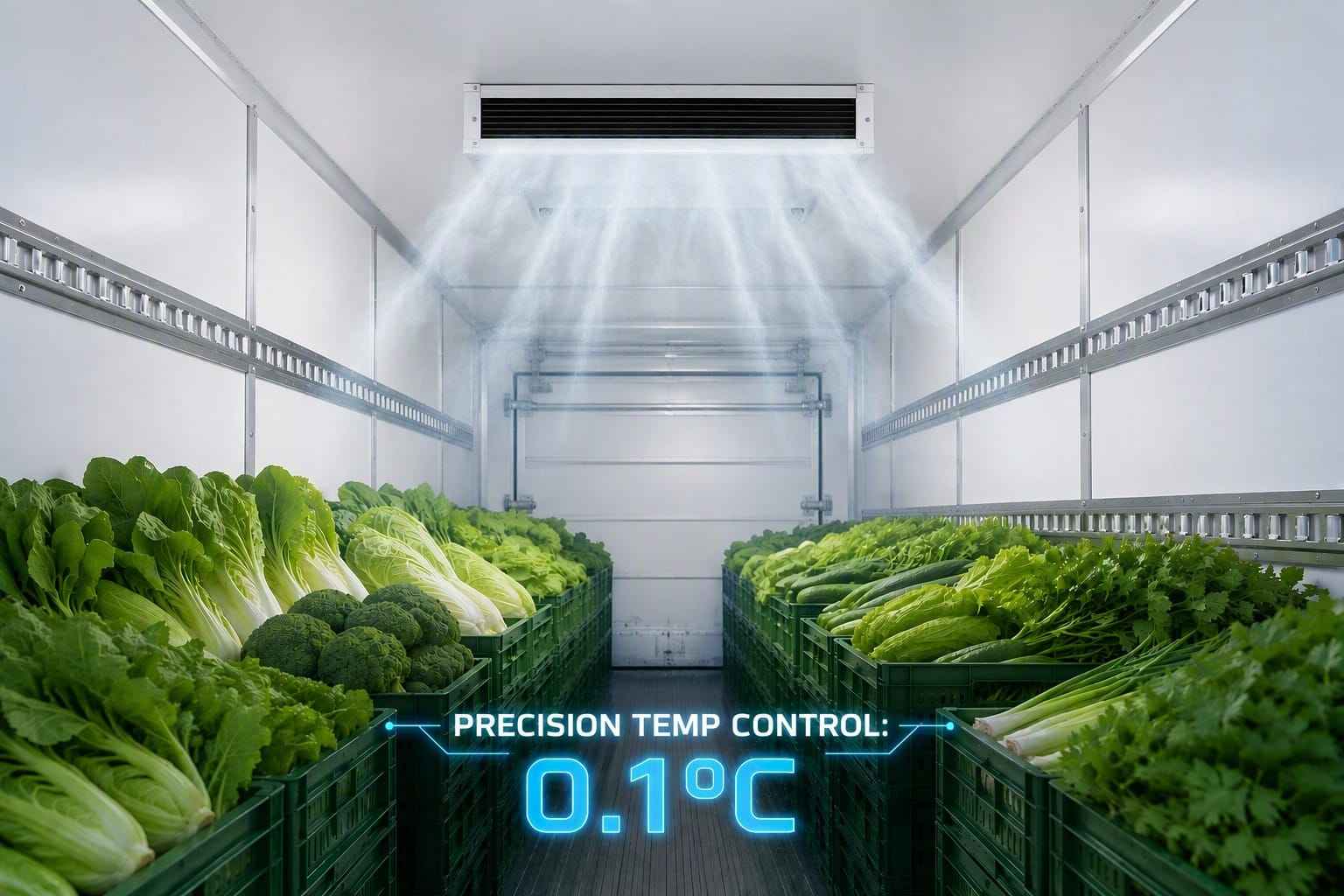
Electric reefers are inherently more efficient. They can be precisely controlled using telematics, allowing for "smart cooling" that adjusts based on the cargo's needs and the external temperature. This reduces energy waste. Furthermore, because electric motors have fewer moving parts than diesel engines, maintenance costs are significantly lower, and the life of the unit is often longer.
3. Silent Logistics
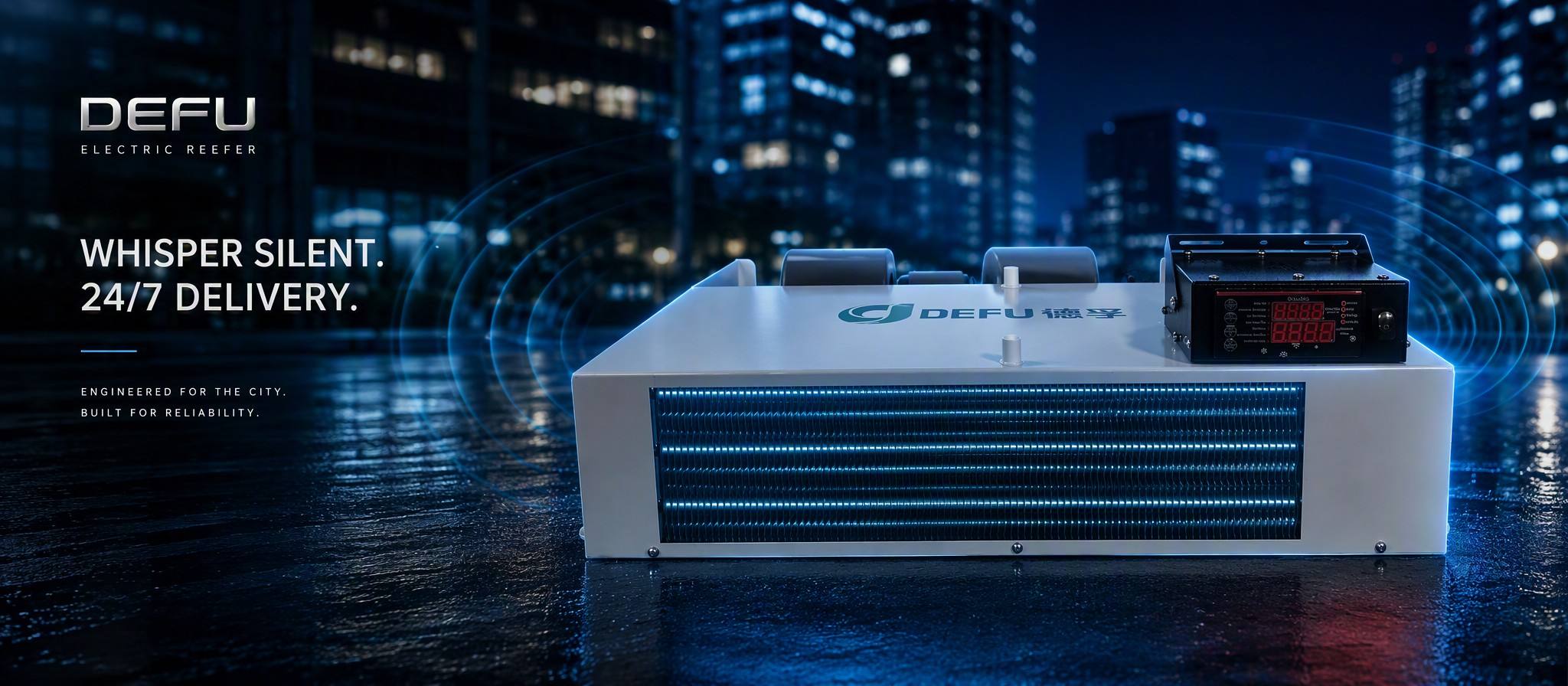
One of the most underrated benefits of electric reefers is their near-silent operation. This enables "silent night" deliveries, allowing fleets to operate during off-peak hours when traffic is lighter. This not only improves delivery speed but also reduces the number of vehicles on the road during the day, further contributing to urban decongestion.
Material Science in Green Logistics
The move to electric also drives innovation in material science. To maximize the range of electric delivery vehicles, every kilogram counts. This has led to the use of:
Vacuum Insulation Panels (VIPs):
- Providing superior thermal resistance with much thinner walls than traditional foam.
Lightweight Composites:
- For unit housings and evaporator structures to reduce the "dead weight" of the refrigeration system.
Advanced Heat Exchangers:
- Such as microchannel coils, which offer higher efficiency and lower weight.
Conclusion
Green logistics is no longer a futuristic concept; it is the current reality of urban delivery. Electric reefers are the essential technology enabling this shift, providing a path toward zero-emission, silent, and highly efficient cold chains. For B2B logistics providers, the transition to electric is the key to remaining competitive and compliant in an increasingly environmentally conscious world.