EN
EN

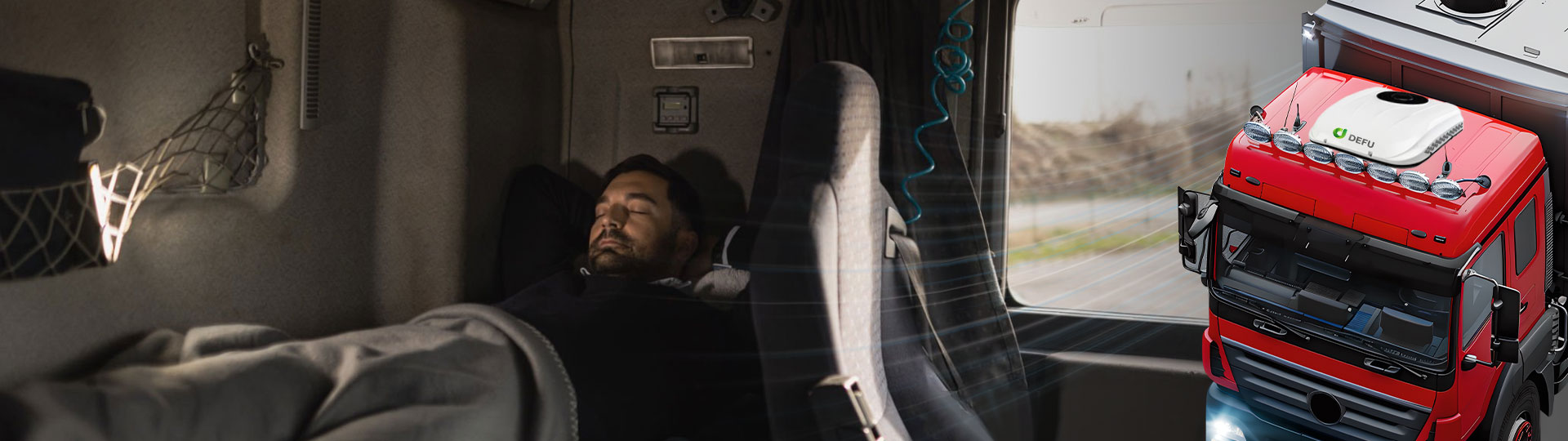
The Inevitable Transition to Zero-Emission Logistics: A Socio-Technical Analysis of Parking AC Integration
The Inevitable Transition to Zero-Emission Logistics: A Socio-Technical Analysis of Parking AC Integration
The Regulatory Tsunami: From Voluntary to Mandatory Compliance
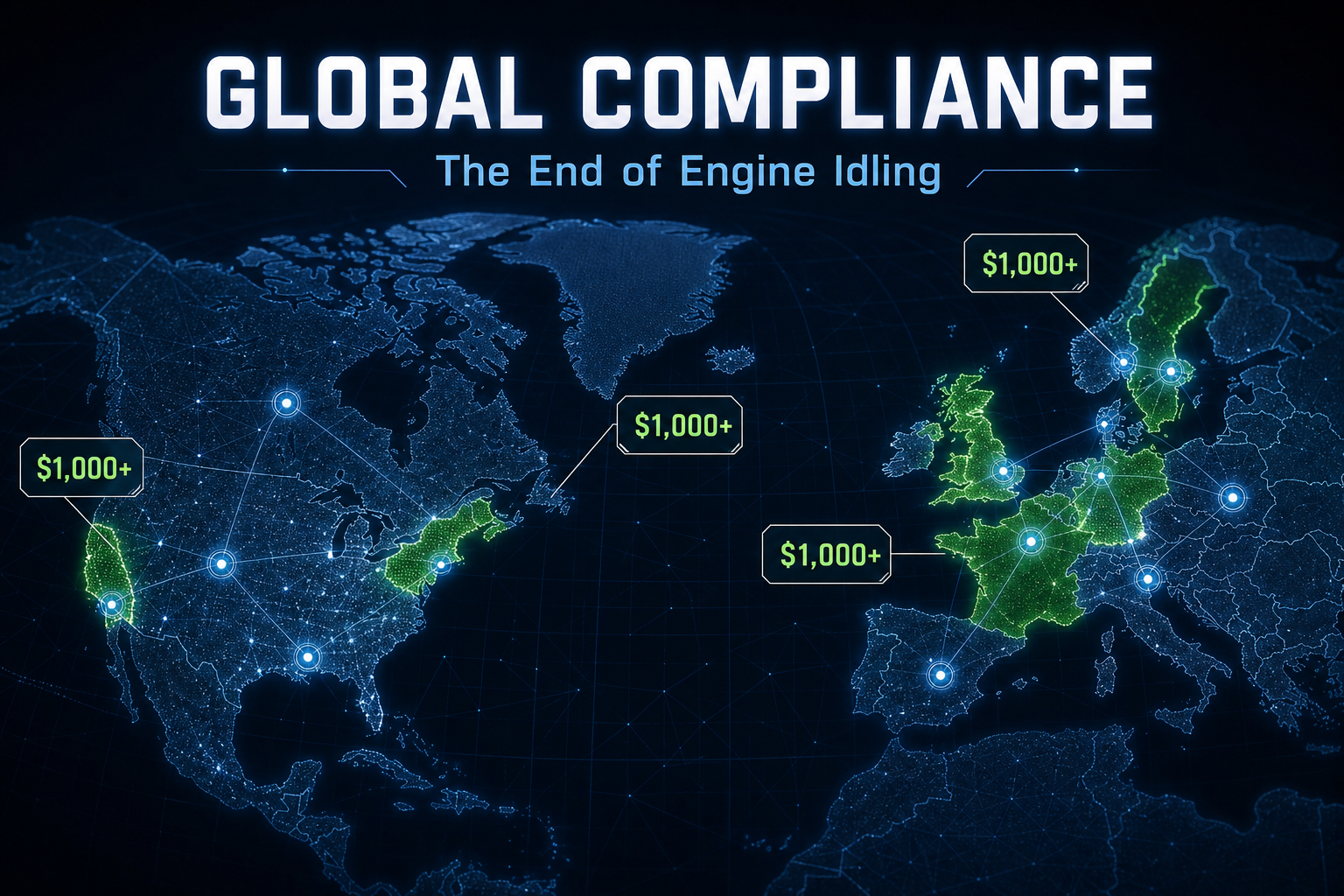
The global commercial transport sector is currently standing at a historical crossroads. For decades, the industry operated under a "linear" logic where engine performance was the sole metric of efficiency. However, the emergence of the European Green Deal and the stringent CARB (California Air Resources Board) regulations in North America have fundamentally altered the competitive landscape. These regions are no longer just "encouraging" green technology; they are enforcing it through a complex web of "Anti-Idling" statutes. In many jurisdictions, a truck engine idling for more than five minutes can incur fines exceeding $1,000 per instance. This regulatory pressure is not an isolated Western phenomenon; it is rapidly cascading into the emerging markets of South America and Southeast Asia, where major logistics hubs are adopting "Clean Air Zones."
The Physics of Inefficiency: Why Engine Idling is a Relic of the Past
To understand the necessity of DEFU’s 100% electric Parking Air Conditioners (PACs), one must analyze the thermodynamic inefficiency of a heavy-duty internal combustion engine (ICE) at idle. A 13-liter diesel engine idling solely to power a mechanical AC compressor is operating at less than 5% thermal efficiency. Most of the energy is lost as waste heat and vibration, while simultaneously accelerating the degradation of critical engine components. Specifically, low-temperature idling prevents the piston rings from sealing properly, leading to "fuel dilution" where unburnt diesel enters the oil sump, compromising lubrication and increasing the risk of catastrophic engine failure. DEFU’s DC-powered systems bypass this entire cycle of inefficiency, delivering cooling with a system efficiency exceeding 90% from battery to evaporator.
Strategic Electrification: PACs as the Gateway to ESG Excellence
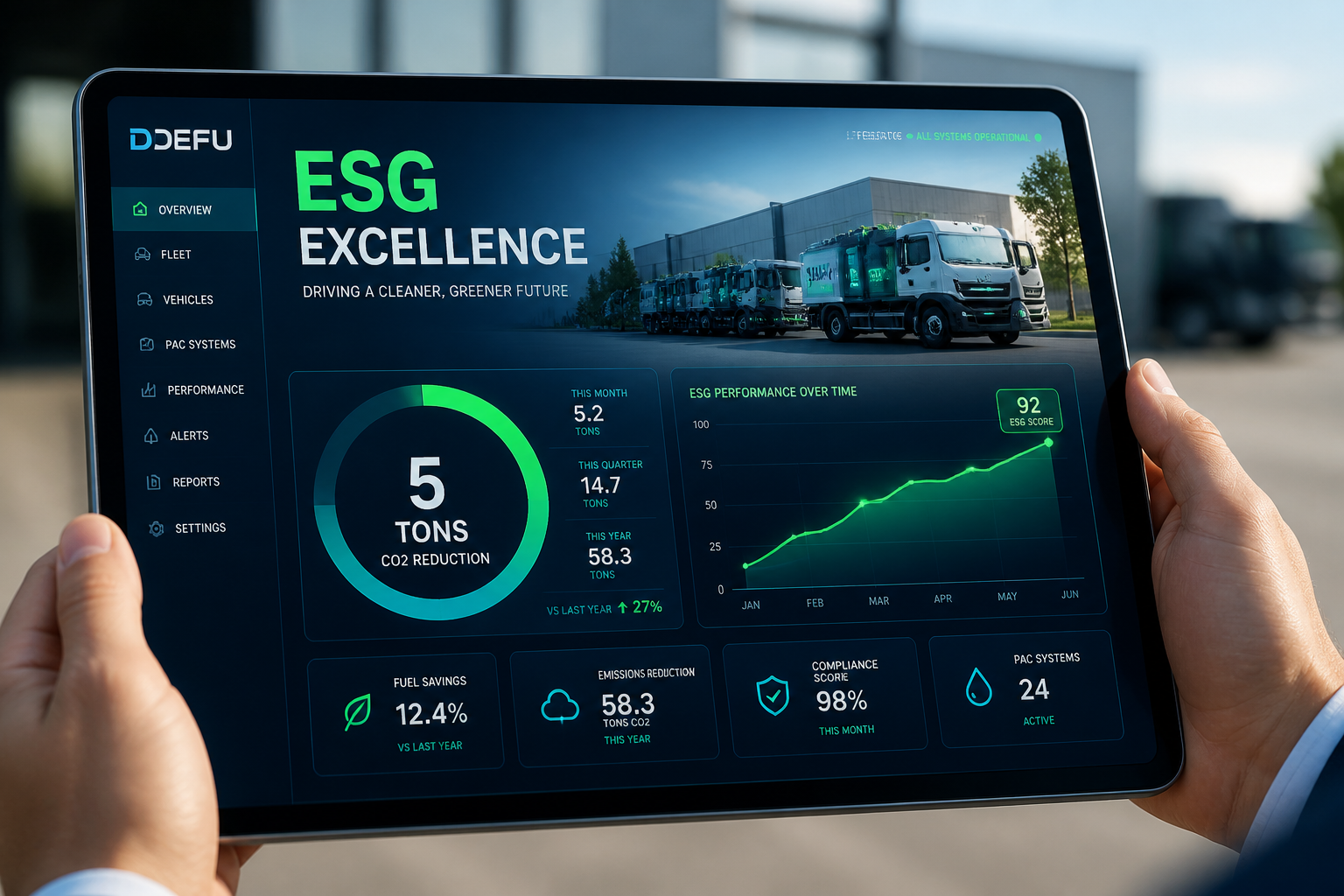
In the modern corporate world, "Sustainability" is no longer a marketing buzzword—it is a financial metric. Major global shippers (such as Amazon, DHL, and Walmart) are increasingly requiring their logistics partners to demonstrate concrete CO2 reduction plans as a prerequisite for contract renewal. Integrating DEFU PACs provides a measurable, verifiable reduction in the carbon footprint per ton-mile. By replacing 2,000+ hours of annual engine idling with high-efficiency electric cooling, a single fleet vehicle can reduce its CO2 emissions by up to 5 metric tons per year. For a fleet of 100 vehicles, this equates to 500 tons—a figure that carries significant weight in Environmental, Social, and Governance (ESG) reporting and can even be monetized through carbon credit trading schemes in evolving markets.
Technical Superiority: The Engineering Behind the DEFU Inverter Loop
DEFU’s competitive advantage is built on a "Total System" approach to energy management. Most entry-level electric ACs use basic "on/off" thermostats that cause massive current surges, stressing the vehicle's electrical system and shortening battery life. In contrast, DEFU utilizes a proprietary DC Inverter Scroll Compressor architecture. Our control logic employs a Proportional-Integral-Derivative (PID) loop that monitors cabin temperature, ambient humidity, and solar load in real-time. This allows the system to modulate its frequency in 1Hz increments. When the cabin reaches the setpoint, the compressor does not shut off; it throttles down to a "maintenance frequency" that consumes less power than a standard laptop, maintaining a perfect thermal equilibrium. This precision engineering ensures that even under the 45°C solar loads found in the Australian Outback or the Middle East, the DEFU unit provides a consistent, reliable cooling curtain.
The Economic Multiplier: Beyond Fuel Savings
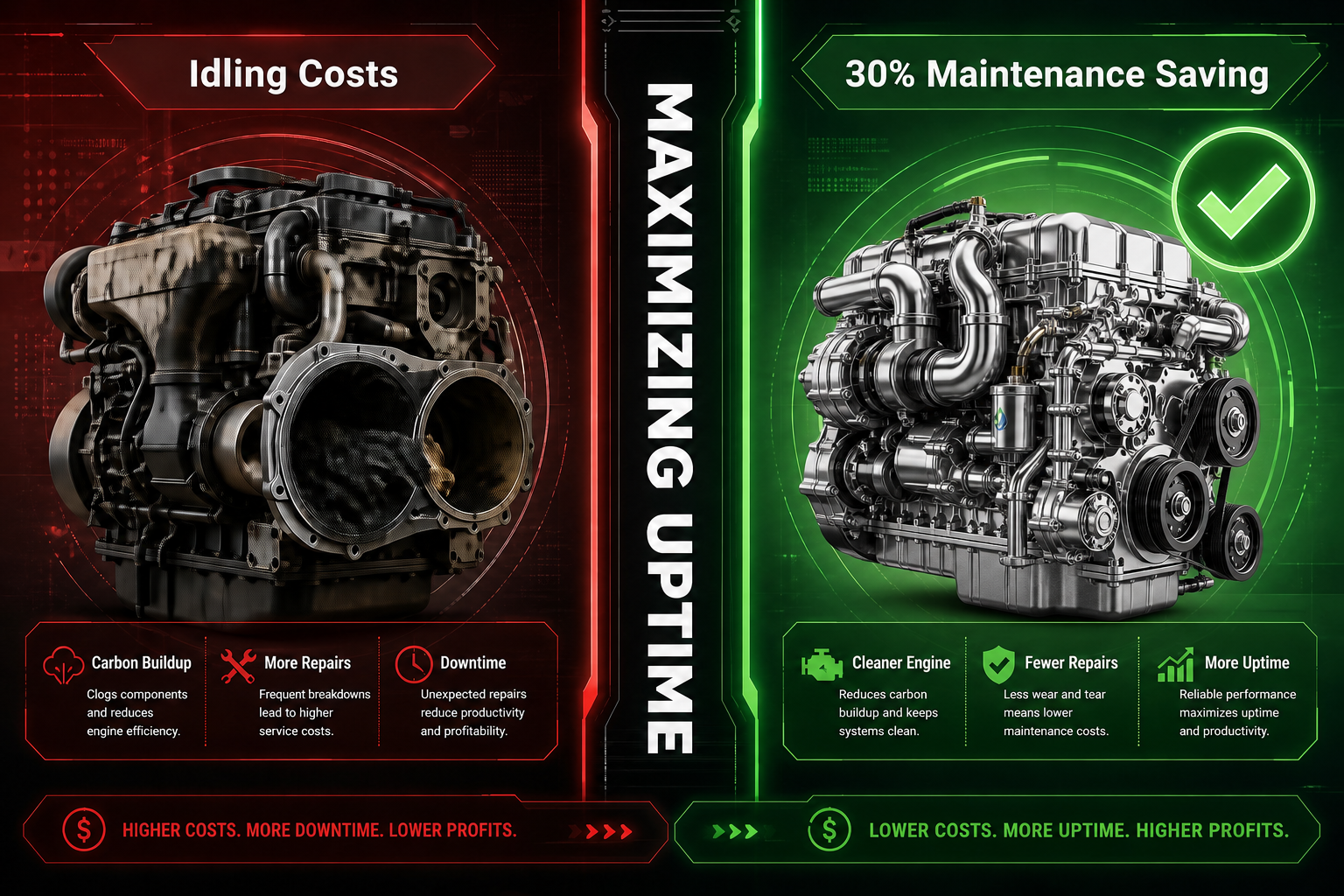
While fuel savings are the most visible benefit, the true ROI of a DEFU system is found in the "Maintenance Multiplier." Modern diesel engines are equipped with complex Diesel Particulate Filters (DPF) and Selective Catalytic Reduction (SCR) systems. These components are designed for high-temperature highway operation. Constant idling causes these systems to clog with soot, necessitating frequent "forced regenerations" and expensive manual cleanings. Industry data suggests that a truck equipped with an electric PAC spends 30% less time in the workshop for exhaust-related issues. For a B2B fleet operator, "Up-time" is the only metric that matters, and DEFU is the ultimate guarantor of fleet availability.
Conclusion: Positioning for the 2030 Horizon
The transport industry is moving toward a future defined by the "Three Ds": Decarbonization, Digitalization, and Decentralization. DEFU Smart Parking ACs are not merely cooling devices; they are the first step in the electrification of the commercial cabin. By adopting this technology now, fleet operators and distributors are not just solving a comfort problem; they are future-proofing their business models against the inevitable obsolescence of fossil-fuel-dependent auxiliary systems. In the era of green logistics, efficiency is the only true competitive advantage.