EN
EN

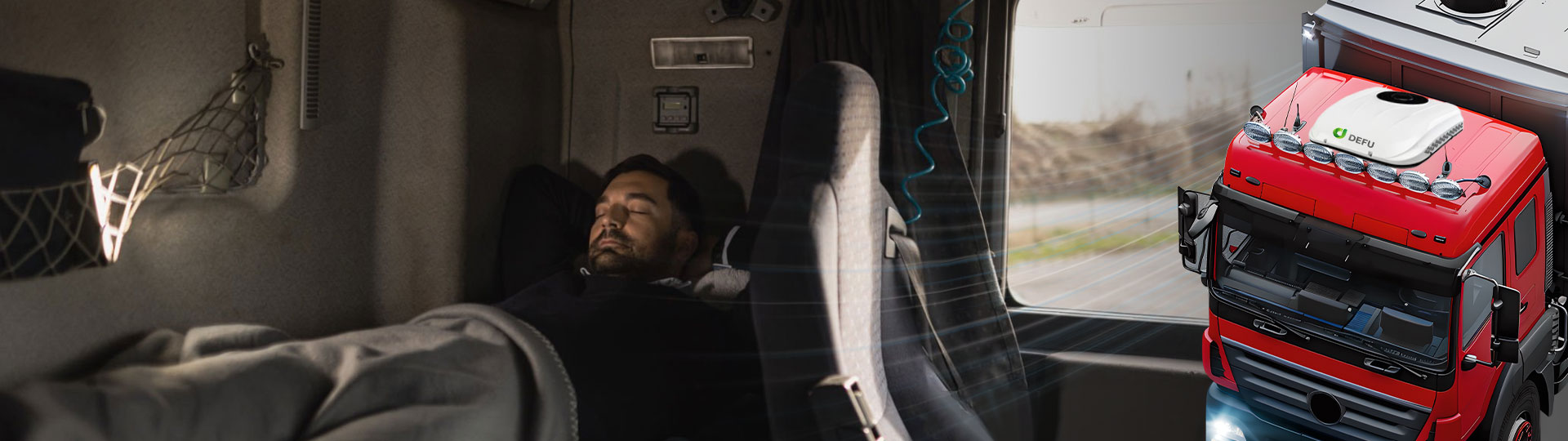
The "Fuel Security" Protocol: Eliminating Idle-Waste and Protecting Fleet Assets in High-Cost Corridors
The "Fuel Security" Protocol: Eliminating Idle-Waste and Protecting Fleet Assets in High-Cost Corridors
The Mexican Logistics Landscape: A Strategic Battle for Margin Efficiency
In the complex and high-stakes logistics corridors of Mexico—stretching from the bustling border crossings of Nuevo Laredo to the industrial heartlands of Querétaro, Monterrey, and the Bajío region—fleet operators are navigating a dual-pressure environment that threatens their core profitability. The primary challenges are two-fold: the spiraling cost of diesel fuel and the acute security risks associated with prolonged engine idling at remote rest stops. Fuel theft, known locally as "huachicoleo," remains a persistent threat, often targeting vehicles that are idling for auxiliary power. For a heavy-duty truck operating in these regions, idling for 8 to 10 hours of rest is no longer just an environmental concern; it is a critical financial leak and a security vulnerability that can cost a company hundreds of thousands of pesos annually. DEFU’s 100% electric Parking Air Conditioners (PACs) are engineered to be the definitive technological defense against this operational waste.

The Economics of "Zero-Idle" in Mexico: A Data-Driven ROI Analysis
A standard heavy-duty diesel engine (such as a Cummins X15 or Volvo D13) idling to provide cabin climate control consumes between 3.5 and 4.5 liters of fuel per hour. In the high-temperature environments of Northern Mexico and the Gulf Coast, where ambient temperatures frequently exceed 38°C, this idling is mandatory for driver safety and cognitive alertness. However, at a fuel price averaging 24.50 MXN per liter (as of mid-2026), a single 10-hour rest period represents a direct operational cost of approximately 1,100 MXN. Over a standard 250-day operational year, this equates to 275,000 MXN ($15,000 USD) in wasted fuel per vehicle. DEFU systems, powered by high-capacity auxiliary battery banks (AGM or LiFePO4), eliminate this cost entirely. For a B2B distributor or a fleet owner managing 50+ units, the Return on Investment (ROI) is achieved in less than 8 months. DEFU transforms "Wasted Fuel" into "Direct Profit," fundamentally improving the TCO (Total Cost of Ownership) profile of the fleet.
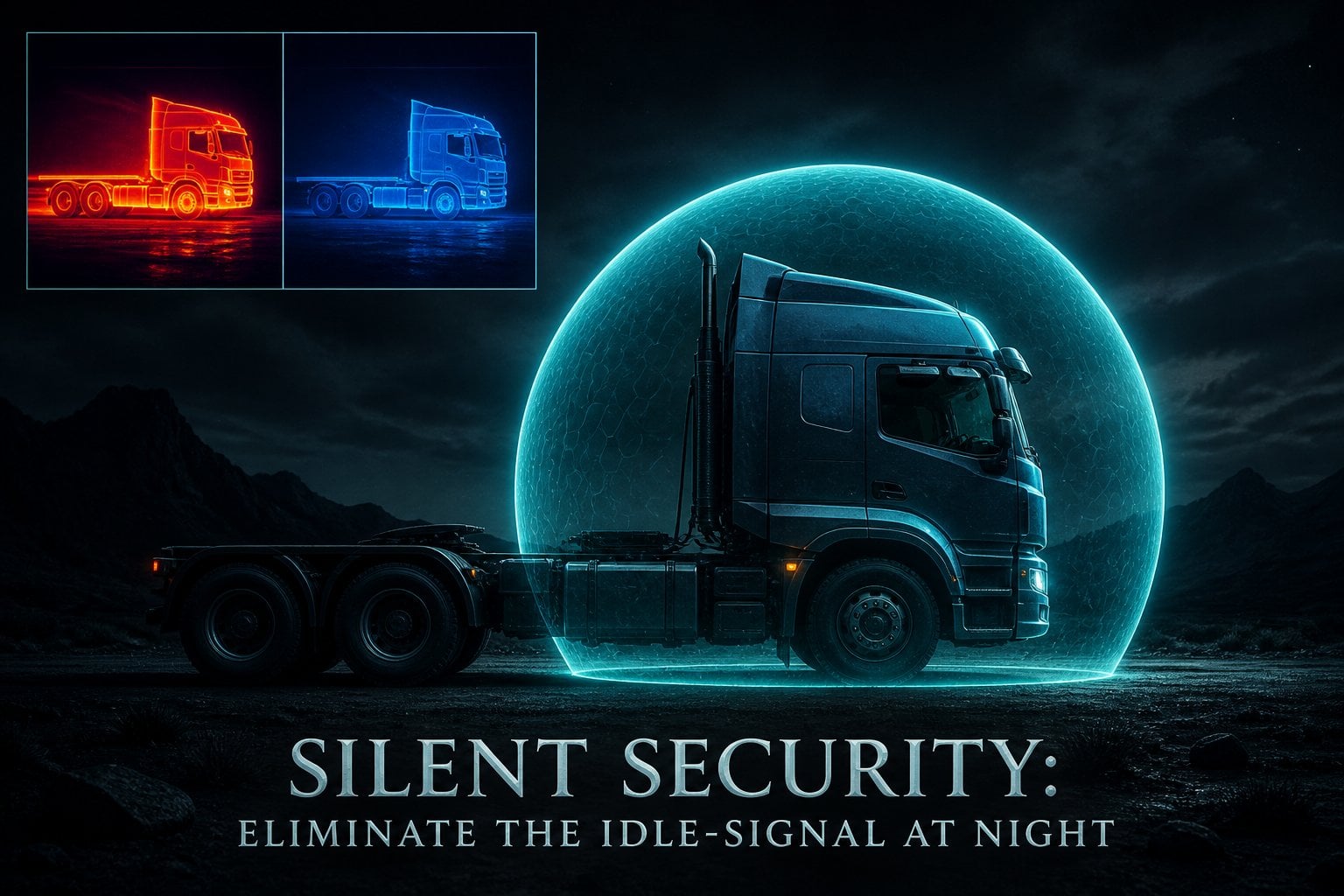
Security and Asset Protection: Reducing the "Idle-Signal" and Preserving Powder-Train Integrity
In remote or insecure rest areas along the NAFTA corridors, a running engine is a high-visibility signal to potential fuel siphoners and hijackers. It indicates an active driver and an unlocked fuel tank. By utilizing a DEFU 100% electric PAC, the truck remains silent and "thermally dark"—meaning it has a significantly lower acoustic and heat signature. This enhanced stealth provides a crucial layer of security for both the driver and the high-value cargo. Beyond security, the mechanical benefits are profound. Constant low-load idling is detrimental to modern diesel engines equipped with Diesel Particulate Filters (DPF) and Selective Catalytic Reduction (SCR) systems. Idling prevents the exhaust from reaching the temperatures required for passive regeneration, leading to soot buildup, frequent "forced regens," and expensive downtime. DEFU preserves the mechanical integrity of the truck’s primary asset, extending the maintenance intervals for the after-treatment system and ensuring a significantly higher resale value (residual value) in the secondary market.

Engineering Resilience: Overcoming the Vibration of Secondary Mexican Roads
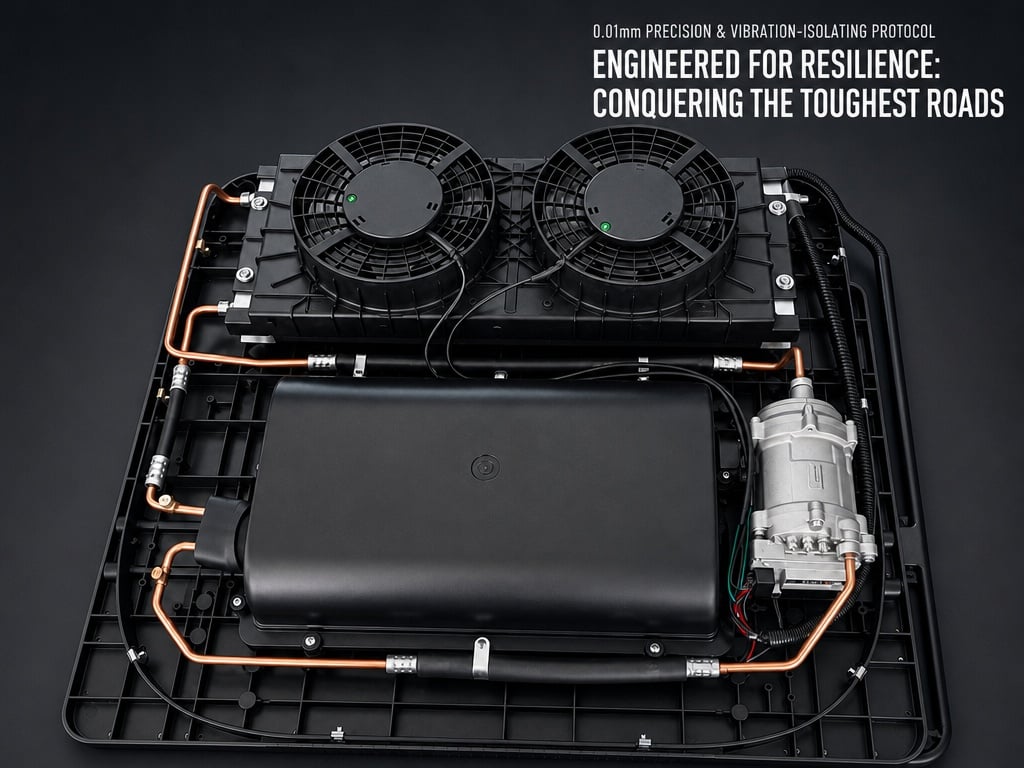
Logistics in Mexico often involves navigating secondary roads where pavement quality is inconsistent. DEFU’s engineering team has implemented a "Reinforced Structural Protocol" for our Mexican-spec units. All internal refrigerant lines are secured with high-durometer vibration-isolating grommets, and the main compressor mounts are manufactured using Swiss-precision CNC machining to ensure 0.01mm tolerances. This eliminates the "Pre-Stressing" of components during assembly, ensuring that the system can absorb the continuous vertical shocks encountered on the "Carreteras Federales." Furthermore, our units feature a specialized "Dust-Guard" condenser grille designed to shed the fine volcanic ash and road dust prevalent in the Central Highlands, maintaining a high COP (Coefficient of Performance) even in the most challenging industrial zones.
Conclusion: Positioning for the North American Decarbonization Wave
As Mexico continues to integrate its logistics standards with US and Canadian "Zero-Emission" initiatives, the move toward all-electric auxiliary power is irreversible. For the Mexican fleet owner, DEFU is more than a cooling solution; it is a "Financial Security" device that future-proofs their business. By adopting DEFU technology today, you are optimizing your fuel spend, enhancing driver safety, and ensuring that your logistics operation remains the most efficient and resilient in the competitive North American supply chain.