EN
EN

Turning Auxiliary Power into a Strategic Profit Center: The Financial Engineering of Parking AC Systems
Turning Auxiliary Power into a Strategic Profit Center: The Financial Engineering of Parking AC Systems
The Shift from Overhead to Asset: Re-evaluating Auxiliary Systems
In the traditional logistics balance sheet, auxiliary systems like parking air conditioners (PACs) were often categorized as "comfort overhead"—a necessary but non-productive expense. However, for a Chief Financial Officer (CFO) of a modern logistics enterprise, this perspective has undergone a radical transformation. In an era of high-interest rates, fluctuating fuel costs, and stringent environmental taxation, auxiliary power is no longer an expense; it is a strategic lever for "Margin Protection." DEFU’s 100% electric PACs are engineered not just for cooling, but for "Financial Recapture." This article deconstructs the DEFU value proposition through the lens of capital efficiency, depreciation management, and direct operational recapture.
Metric 1: Capital Recapture through Fuel Waste Elimination
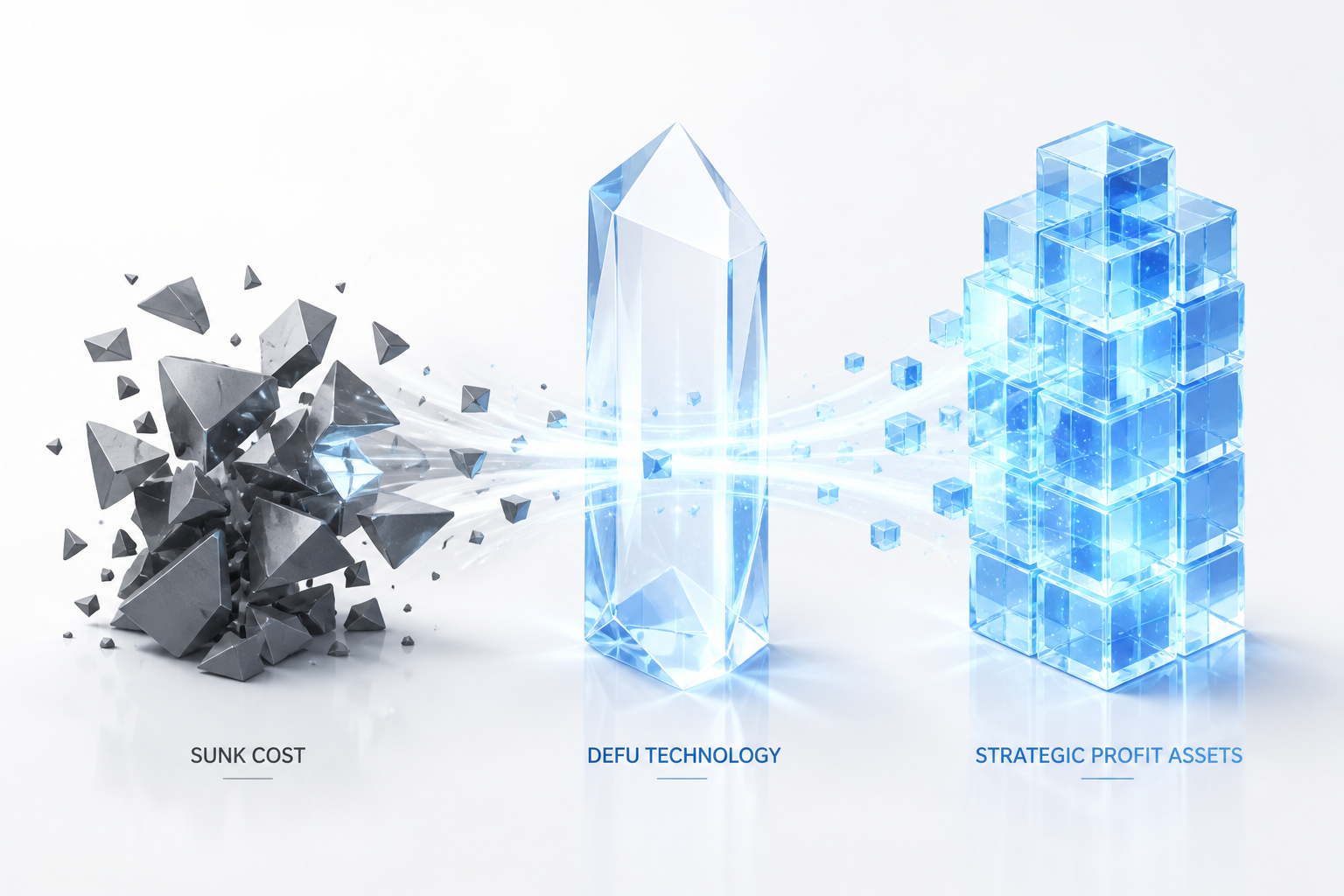
The most immediate entry on the CFO’s ledger is the elimination of engine idling. A Class 8 truck idling for climate control consumes roughly 1.0 gallon (3.8 liters) of diesel per hour. Across a fleet of 100 trucks, each idling for an average of 1,800 rest hours annually, the "Sunk Cost" exceeds $700,000 per year at current market prices. DEFU units, which draw zero fuel from the primary engine, represent a direct recapture of this wasted capital. With a Typical Payback Period (TPP) of 7.5 months, DEFU provides an Internal Rate of Return (IRR) that significantly outperforms almost any other vehicle-level investment. For the CFO, DEFU is a "Profit Center" that turns idle time into bottom-line equity.
Metric 2: Depreciation Management and Residual Asset Value
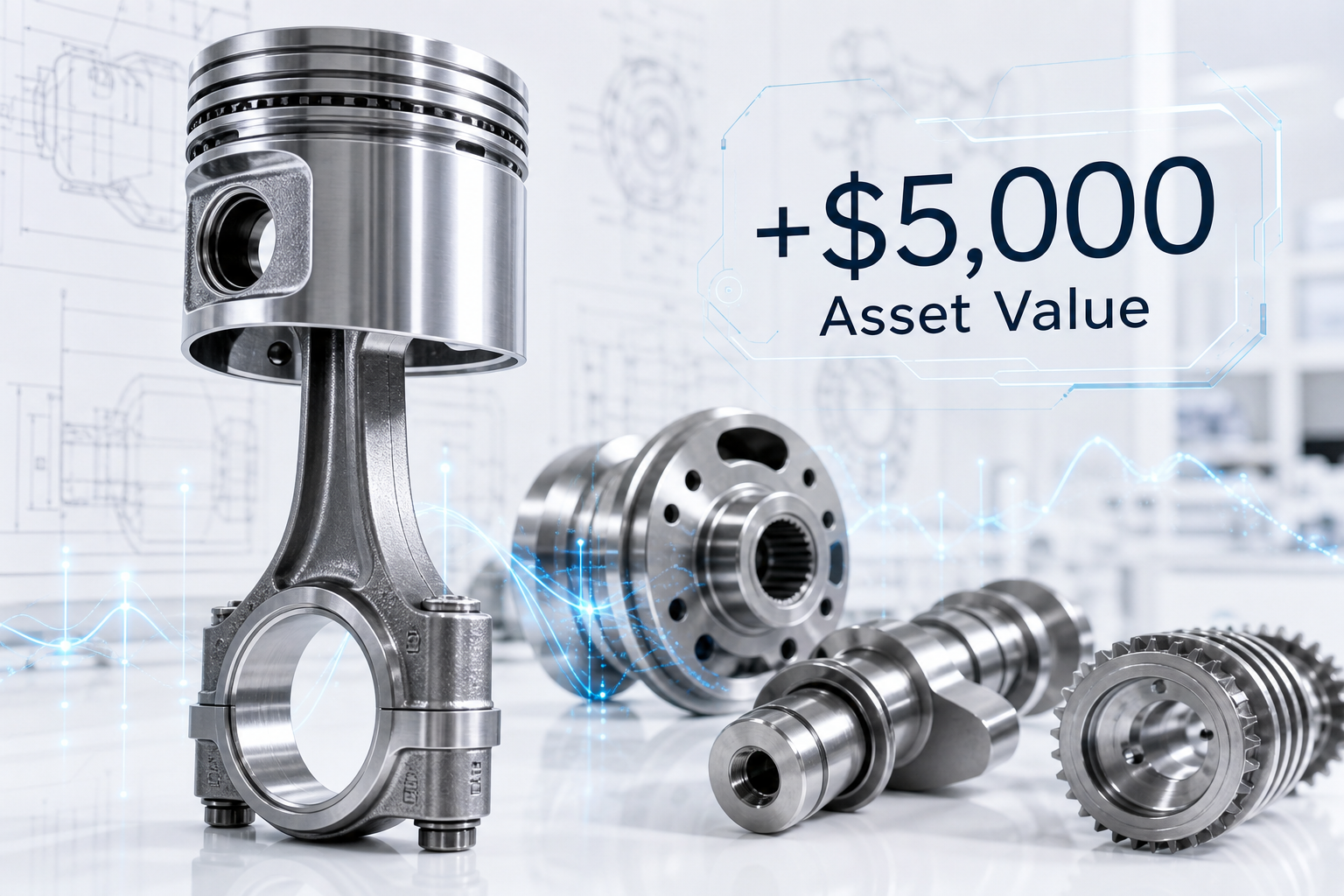
A truck's resale value is fundamentally tied to "Engine Hours." Industry data from North American and Australian secondary markets indicates that every 1,000 hours of engine idling is perceived by buyers as equivalent to 30,000 to 45,000 road miles of bearing wear and oil oxidation. By offloading climate control to an electric DC loop, DEFU preserves the "Mechanical Age" of the vehicle. A 5-year-old fleet vehicle equipped with DEFU PACs typically displays 8,000 to 10,000 fewer engine hours than a traditional counterpart. This "Engine Hour Dividend" translates to a residual value premium of $3,500 to $5,000 per unit during fleet disposal. DEFU acts as an insurance policy for the fleet’s most expensive capital assets.
Metric 3: The Maintenance Multiplier and OpEx Stabilization
Low-load idling is a primary cause of "Premature Maintenance Events." It prevents the Diesel Particulate Filter (DPF) from reaching the temperatures required for passive regeneration, leading to soot-loading and "Forced Regenerations" that consume additional fuel and cause downtime. Furthermore, excessive idling accelerates the acidification of engine oil, shortening oil-change intervals. DEFU stabilizes OpEx by extending the life of the exhaust after-treatment system by up to 40%. By reducing the frequency of unscheduled "DPF-Clean" shop visits, DEFU ensures that the fleet remains in the most productive part of its service cycle, maximizing the "Asset Utilization Rate."

Conclusion: Future-Proofing for the ESG-Led Economy
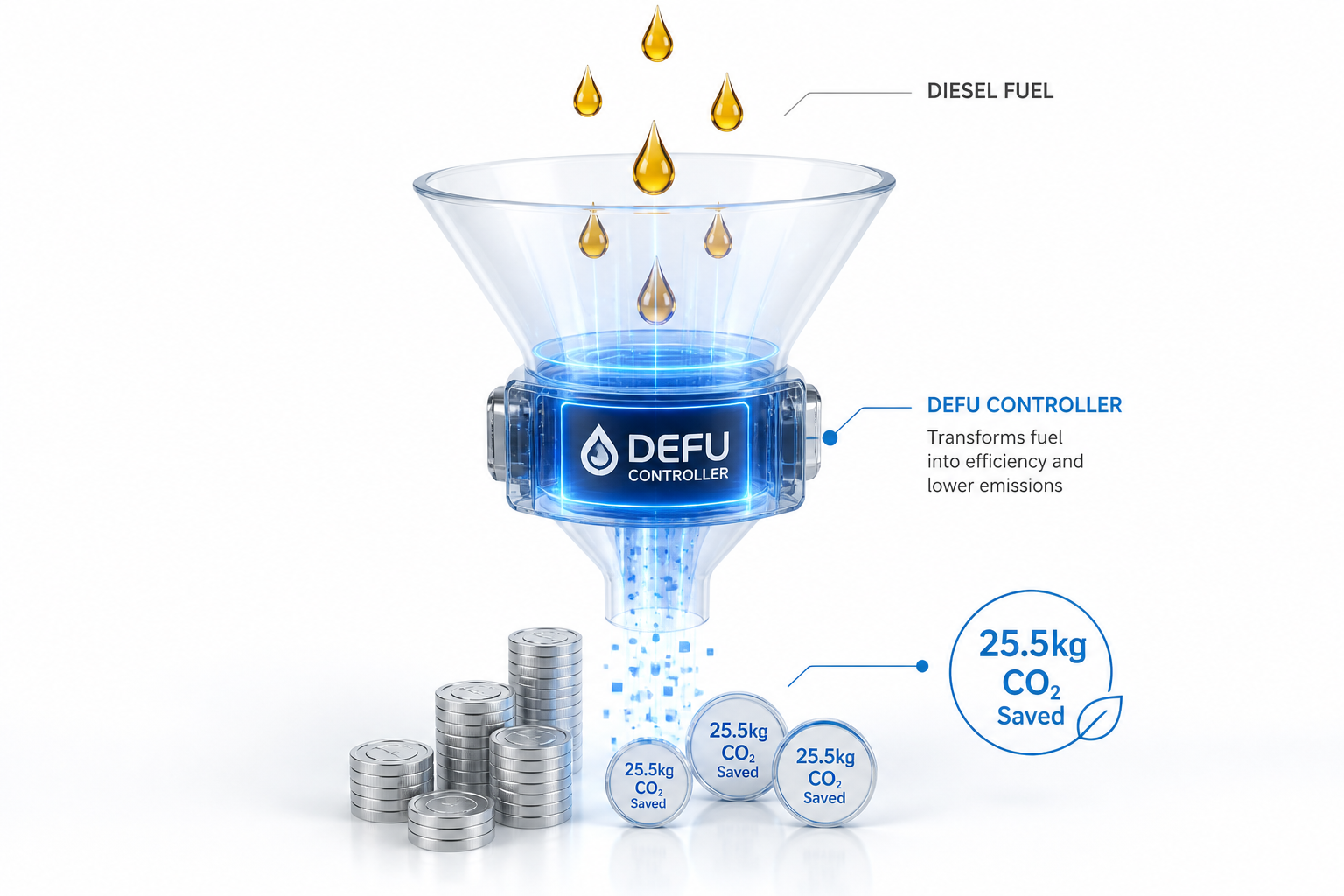
As global capital markets increasingly tie credit facility rates to ESG (Environmental, Social, and Governance) performance, the "Carbon Intensity" of a fleet is now a financing factor. DEFU provides the CFO with auditable data to demonstrate Scope 1 emission reductions. By integrating DEFU systems, a fleet is not just buying air conditioners; it is building a "Financial Moat" against fossil-fuel volatility and securing a license to operate in a decarbonized future.