EN
EN

The "Andean Protocol": Engineering Thermal Compensation and Compressor Survival for 4,000-Meter Routes
The "Andean Protocol": Engineering Thermal Compensation and Compressor Survival for 4,000-Meter Routes
The High-Altitude Challenge: Navigating the Andes Logistics Corridors
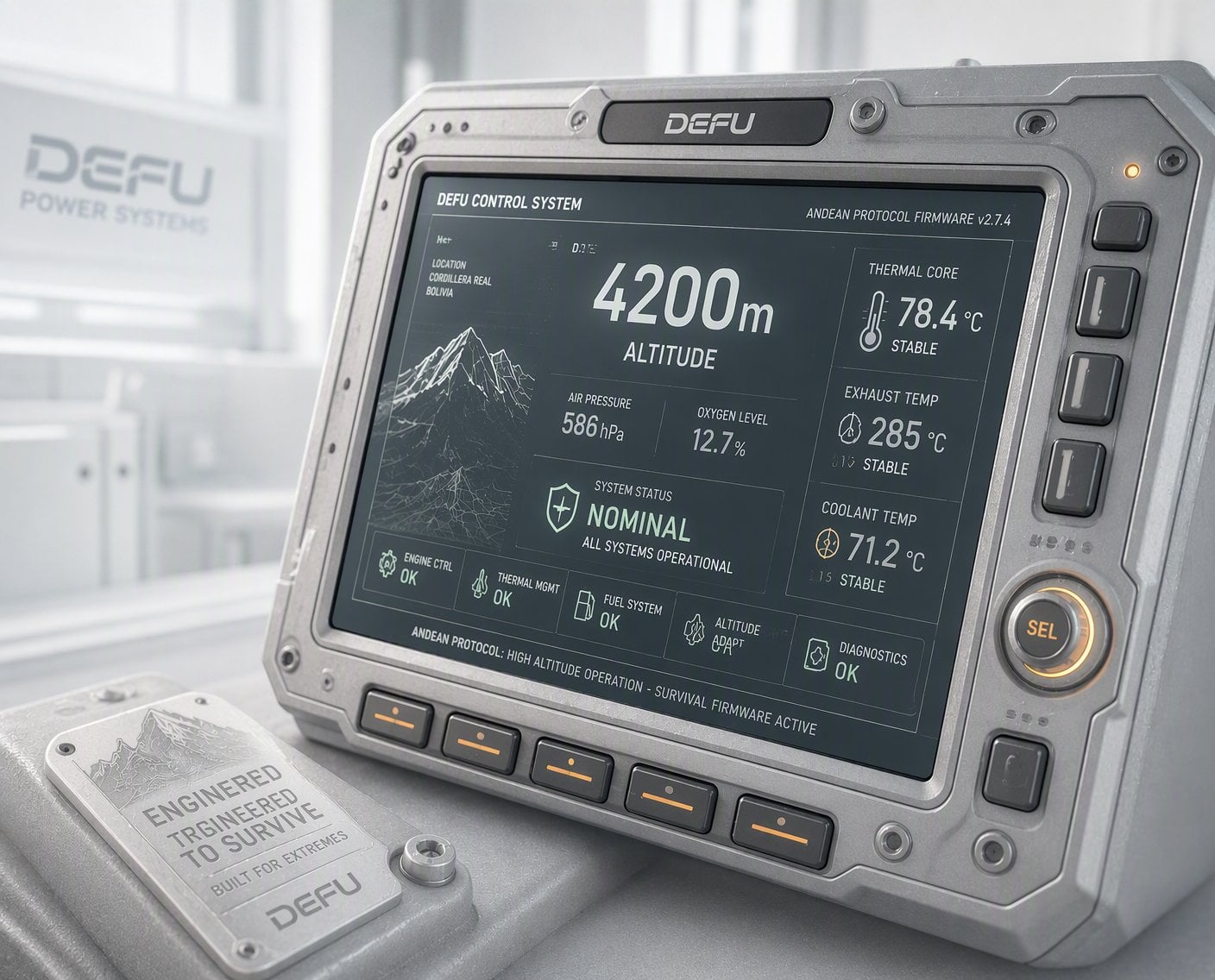
Logistics routes through the Andes Mountain Range—from the ports of Chile to the industrial centers of Peru, Bolivia, and Colombia—frequently involve operations at altitudes exceeding 3,500 meters (11,500 feet). For a parking air conditioner, "Thin Air" is a thermodynamic disaster. As air density decreases at high altitudes, the mass of air moved by the condenser fan drops significantly, leading to poor heat rejection and rapid compressor overheating. Most standard AC units suffer from "Thermal Throttling" or complete mechanical failure on these mountain routes. DEFU’s "Andean Protocol" is the industry’s first engineering solution specifically optimized for high-altitude thermal mass management and compressor survival.
Aerodynamic Compensation: High-Static Fans and "Wide-Gap" Heat Exchangers
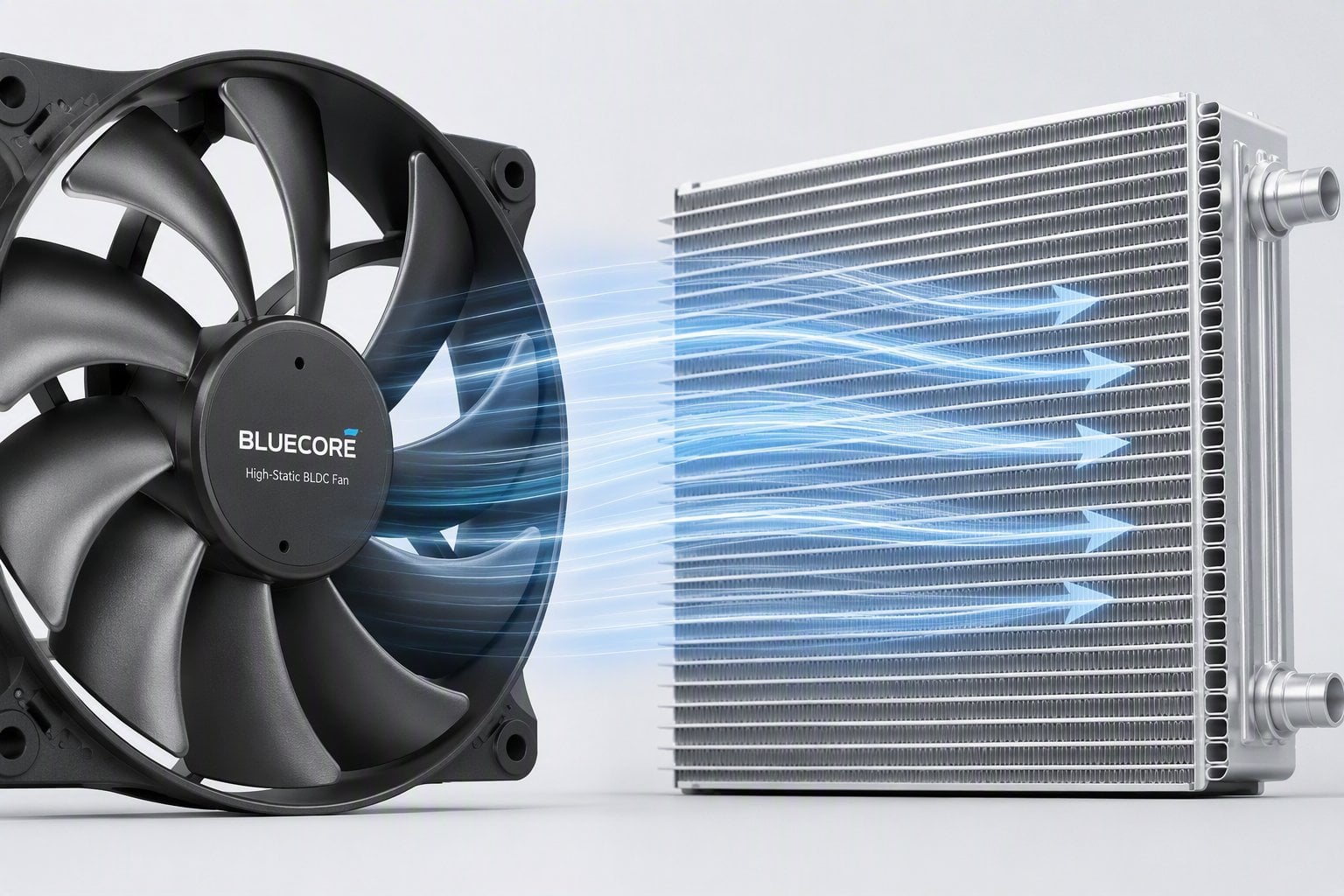
In the thin air of the Andes, a standard condenser fan loses up to 30% of its "Mass-Flow" capacity, even at maximum RPM. DEFU addresses this by utilizing specialized "High-Static-Pressure" BLDC fans with an aggressive blade pitch designed for low-density atmospheres. Furthermore, our Andean-spec Microchannel Heat Exchangers (MCHE) feature a "Wide-Fin Pitch" design. This reduces the air-side resistance, allowing the thin mountain air to pass through the core with less turbulence, maximizing the "Thermal Extraction" per cubic meter of air. This is the difference between a unit that overheats in the Andes and a DEFU unit that keeps the driver comfortable in the thin, cold air.
Compressor Survival: "Oil-Jet" Cooling and Advanced High-Side Monitoring
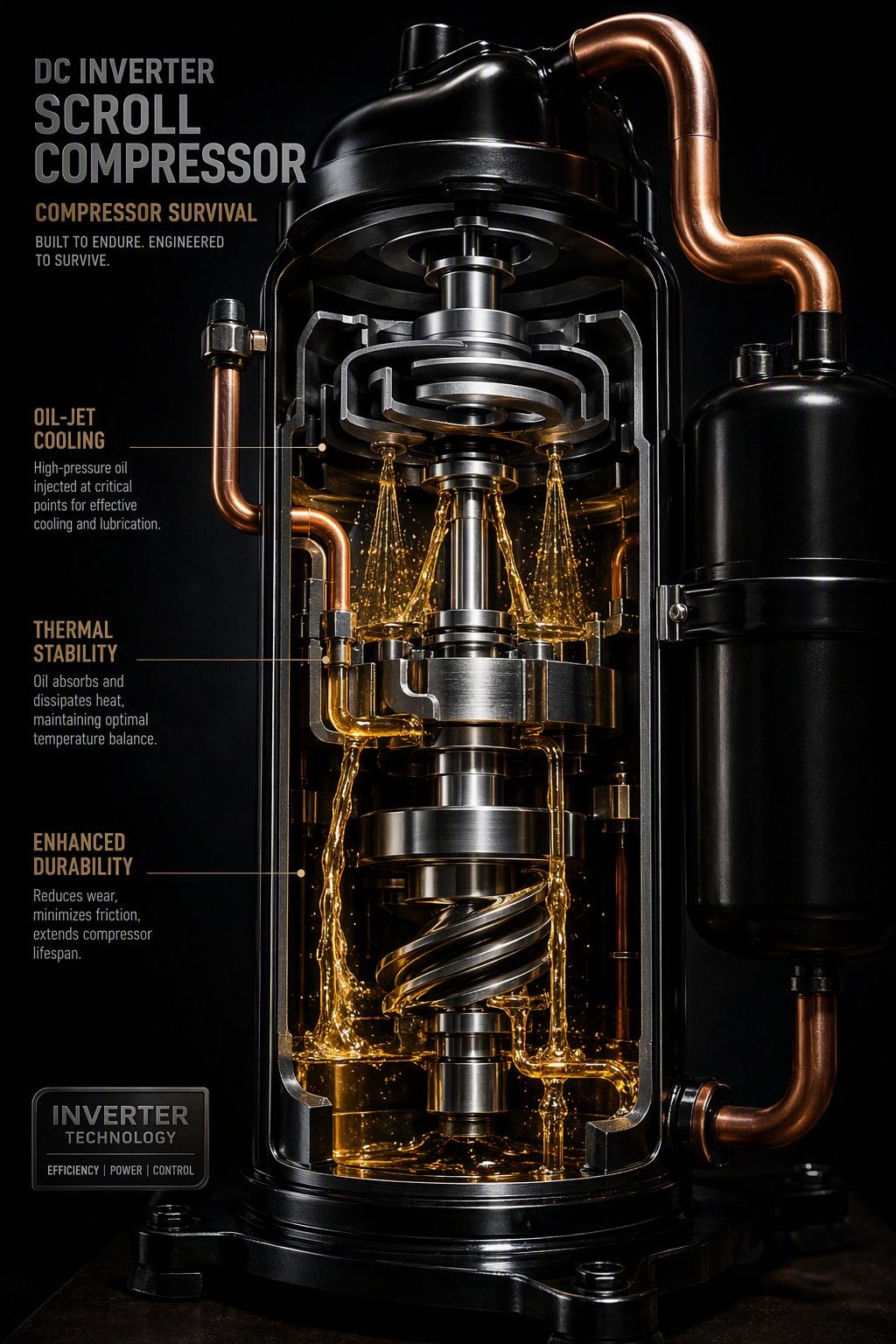
In high-altitude, high-load scenarios, the internal temperatures of a DC compressor can skyrocket, leading to oil carbonization and bearing seizure. DEFU’s DC Inverter Scroll Compressors are equipped with a proprietary "Smart Oil Management" system. The firmware monitors the "Discharge Line Temperature" in 0.1-second increments. If the system detects the onset of thermal stress due to low air mass, the inverter automatically adjusts the frequency and the Electronic Expansion Valve (EEV) opening to maintain a safe "Thermodynamic Balance." This ensures consistent cabin cooling while protecting the compressor from the "Hidden Heat" of high-altitude operation.
Power Stability: Managing Voltage Fluctuations in Remote Andean Crossings
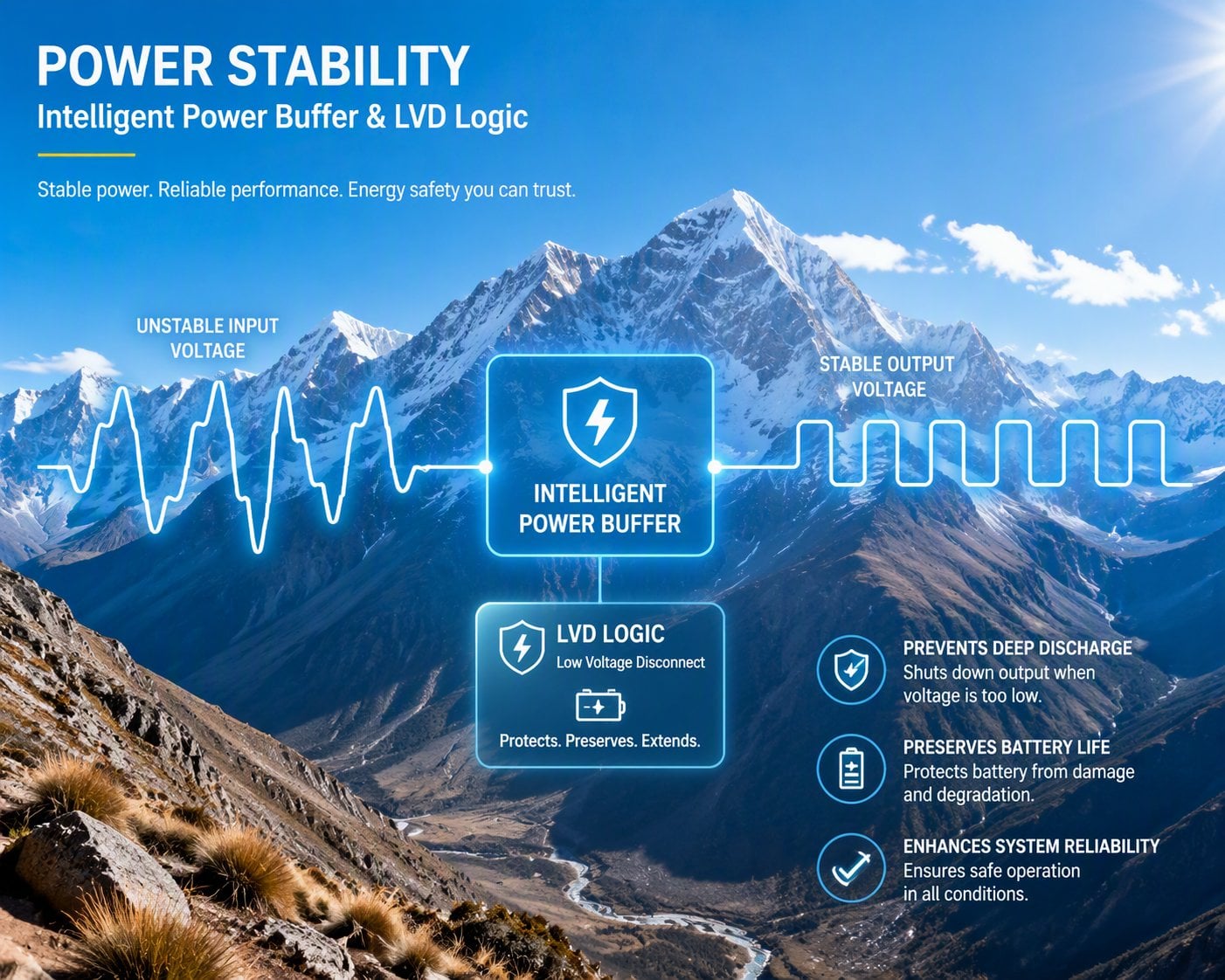
High-altitude routes often involve long periods of low-speed climbing where the truck’s primary alternator output may be inconsistent or "Noise-Heavy." DEFU’s "Intelligent Power Buffer" logic ensures that the PAC continues to operate smoothly despite these voltage fluctuations. Our LVD (Low Voltage Disconnect) logic is "Altitude-Aware," adjusting the battery protection thresholds to ensure that the driver has the maximum rest time without ever risking a "No-Start" situation in remote mountain passes where a dead battery would be a life-threatening event.
Conclusion
DEFU provides the high-altitude reliability required to conquer the Andes. Our "Andean Protocol" is the result of rigorous computational fluid dynamics (CFD) simulation and field data collection in the world’s highest commercial logistics corridors. For the South American B2B distributor, DEFU represents the ultimate in technical competence and "Mountain-Tough" performance. Don't let thin air thin your margins—choose DEFU.