EN
EN

Securing the Urban Cold Chain: 100% Electric Refrigeration for Delivery Vans
Securing the Urban Cold Chain: 100% Electric Refrigeration for Delivery Vans
The rapid expansion of e-commerce and the surging demand for fresh, "farm-to-table" grocery deliveries have placed an unprecedented strain on urban logistics. In the heart of the city, the "last mile" is often the most challenging leg of the journey, particularly for temperature-sensitive goods. Securing the urban cold chain is no longer just about maintaining a temperature; it is about efficiency, regulatory compliance, and sustainability. This is where 100% electric refrigeration for delivery vans is revolutionizing the B2B landscape.
The Challenge of Urban Last-Mile Delivery
Traditional refrigerated vans rely on the vehicle's engine to power the compressor (Direct Drive units) or a separate small diesel engine. In urban environments, this presents several problems. Frequent stops, heavy traffic, and idling restrictions mean that the engine often isn't running at optimal RPMs to provide consistent cooling power. Furthermore, many European and North American cities are implementing "Zero Emission Zones" (ZEZs), effectively banning or penalizing internal combustion engines (ICE).
Why 100% Electric is the Solution
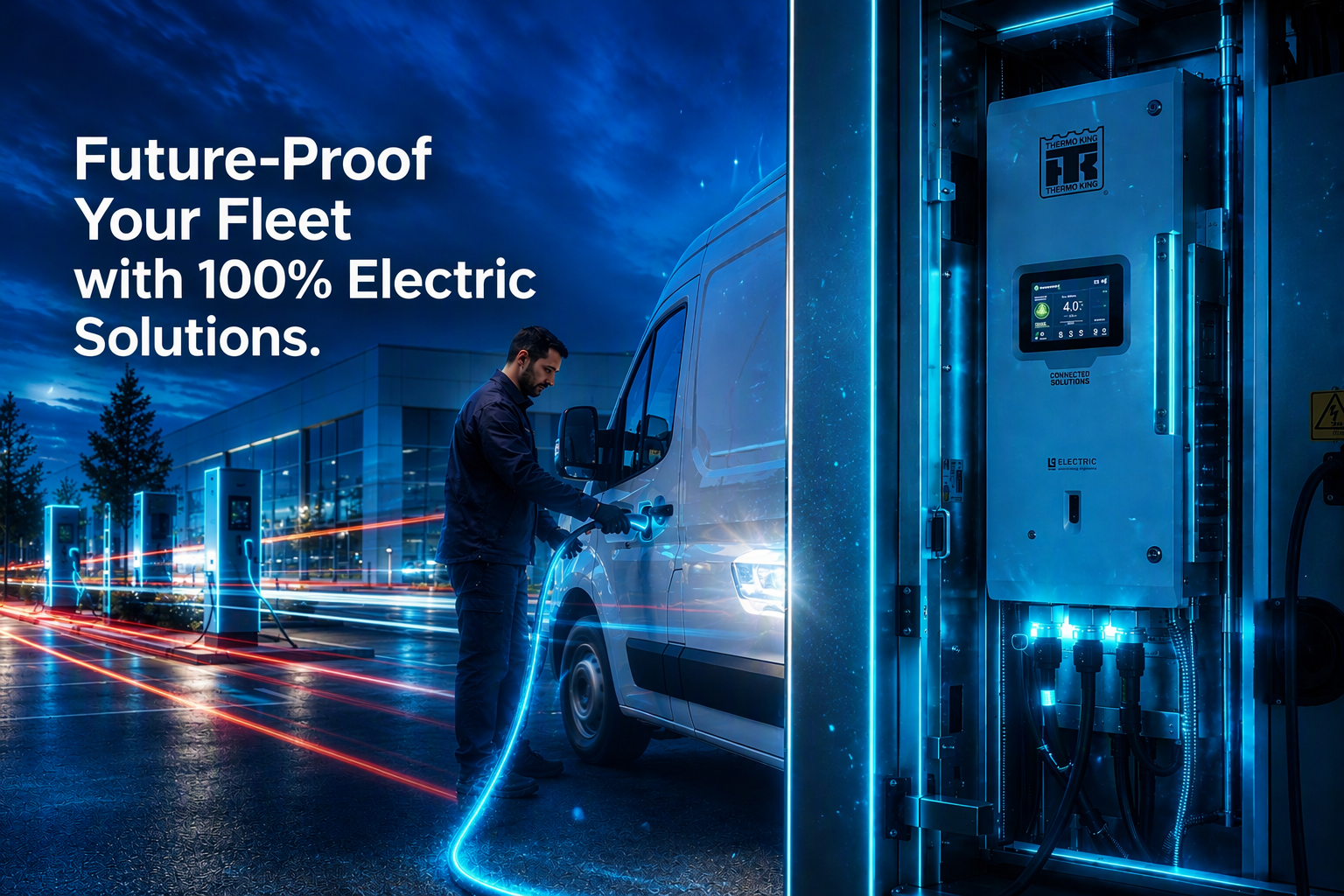
100% electric refrigeration units operate independently of the vehicle's engine. They are powered by the van's own battery pack or a dedicated auxiliary battery system. This transition offers three critical advantages for B2B fleet operators:
1. Consistent Cold Chain Integrity
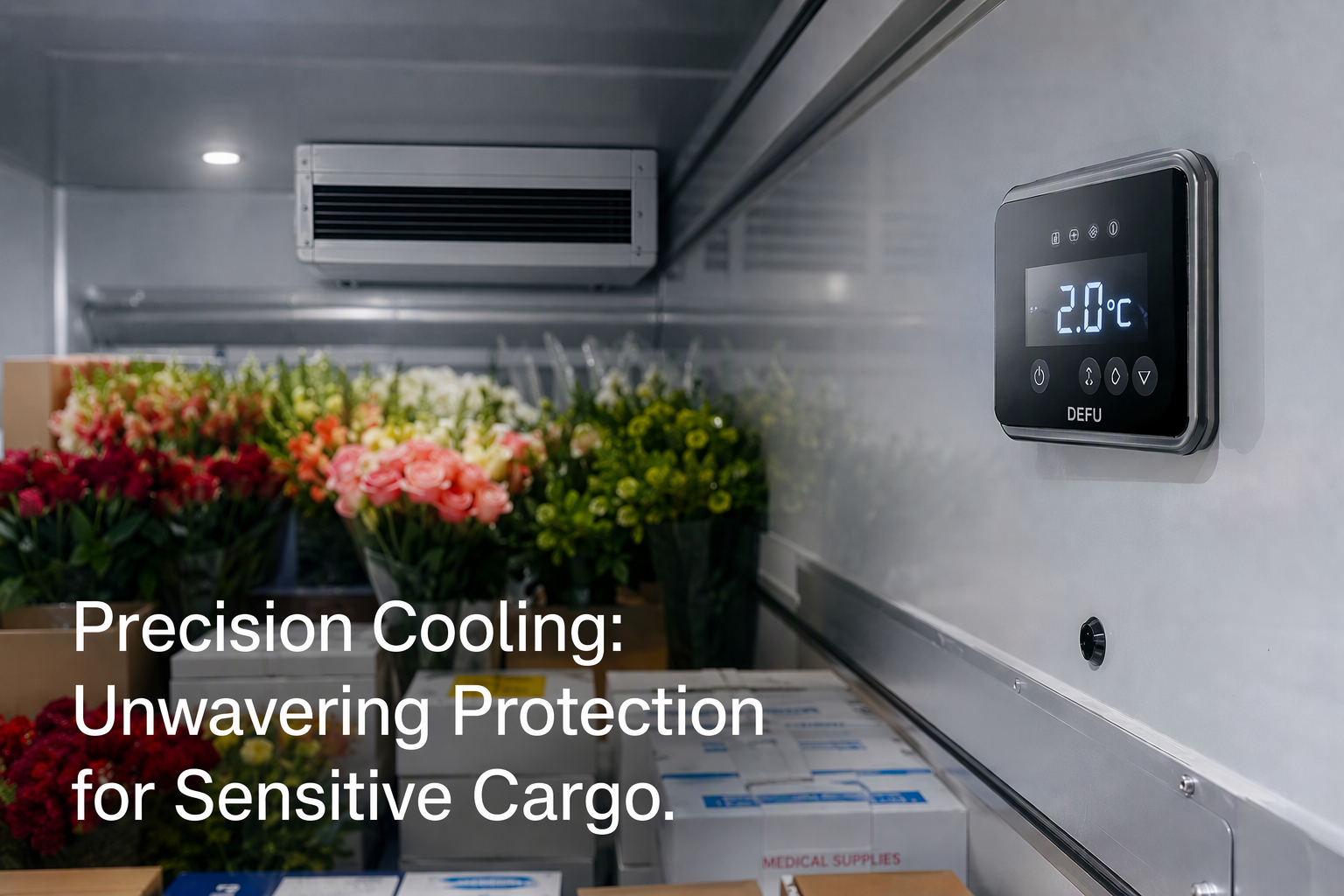
Unlike traditional units that may lose cooling capacity during engine idling, electric reefers provide constant, high-torque cooling. This ensures that the cargo—whether it be pharmaceuticals, premium seafood, or floral arrangements—remains at the precise setpoint regardless of traffic conditions or the number of door openings. For B2B buyers, this translates to reduced spoilage and higher customer satisfaction.
2. Quiet and Clean Operation
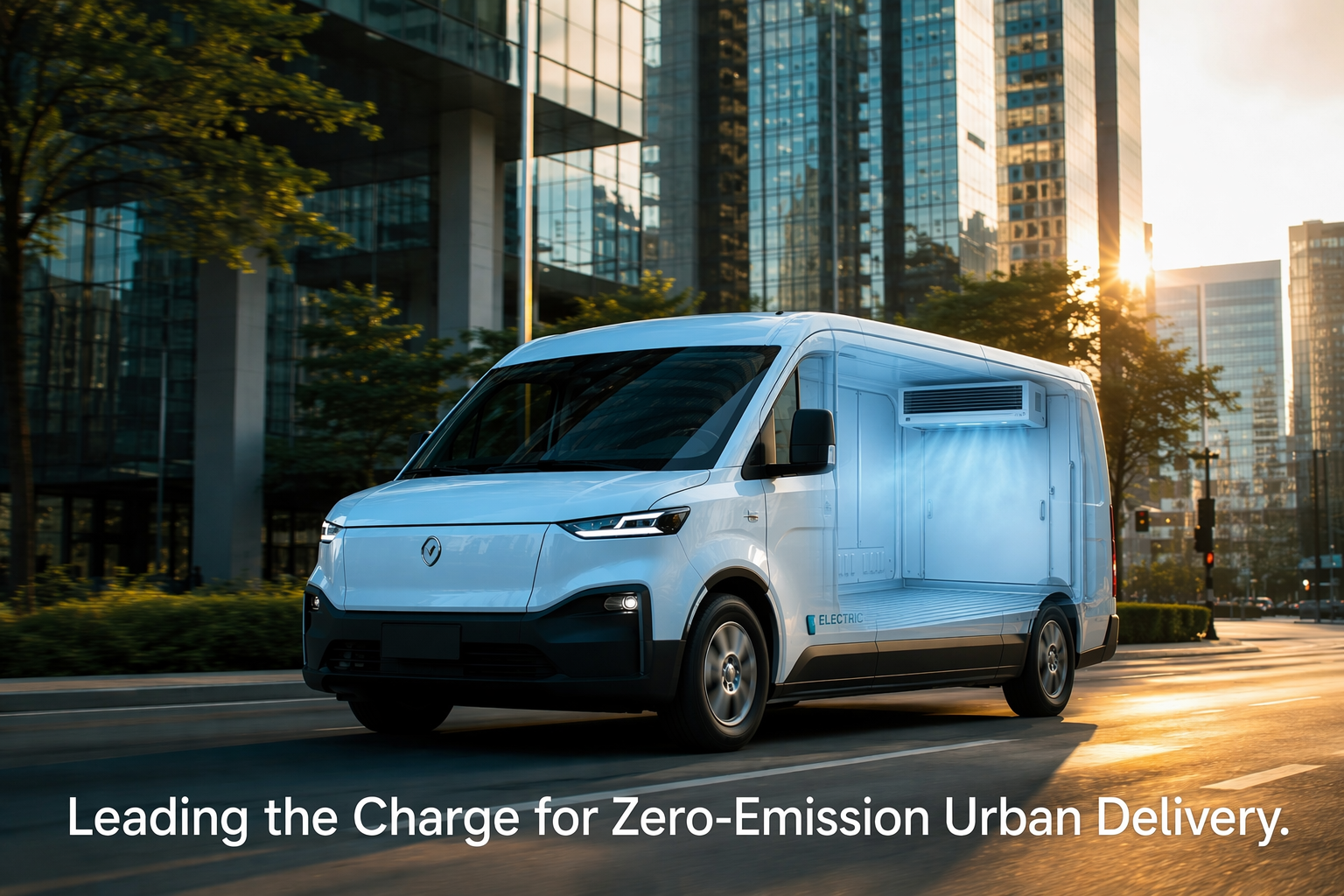
Urban deliveries often happen in residential areas during the early morning or late at night. Noise pollution is a major concern. Electric refrigeration units are significantly quieter than their diesel counterparts, allowing for flexible delivery windows without disturbing local residents. Moreover, they emit zero CO2 and NOx at the point of use, making them fully compliant with even the strictest environmental regulations.
3. Reduced Maintenance and Total Cost of Ownership (TCO)
While the initial investment in electric technology might be higher, the long-term TCO is often lower. Electric systems have fewer moving parts than diesel engines. There are no oil filters, fuel pumps, or glow plugs to replace. Additionally, the rising cost of diesel and the decreasing cost of battery technology make electric refrigeration a more economically viable option for fleets looking to future-proof their operations.
Technical Considerations for B2B Buyers
When selecting an electric refrigeration unit for a van fleet, buyers must look beyond the cooling capacity. Key technical specifications include:
Voltage Compatibility:
- Ensure the unit matches the vehicle's DC voltage (12V, 24V, 48V, or high voltage for EVs).
Battery Management Systems (BMS):
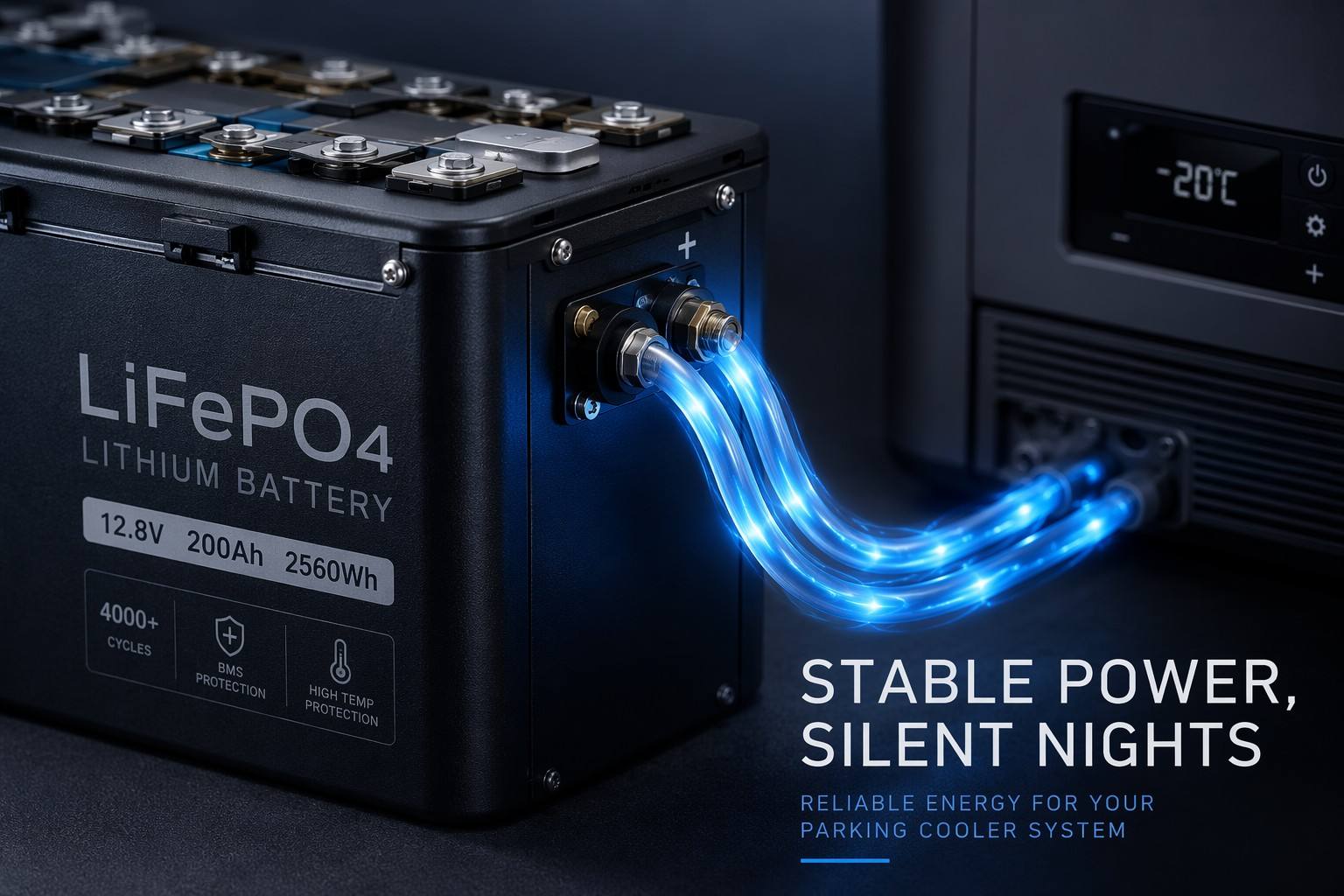
- A smart BMS is essential to prevent the cooling unit from draining the vehicle's starter battery, ensuring the van can always start.
Standby Capability:
- The ability to plug into a standard wall outlet (110V/220V) allows for pre-cooling the cargo area overnight, further saving vehicle battery life during the day.
Conclusion
The shift toward 100% electric refrigeration is an essential step in securing the urban cold chain. By providing consistent cooling, eliminating emissions, and reducing noise, these units offer a competitive edge for logistics companies navigating the complexities of modern city delivery. As urban centers continue to prioritize green initiatives, adopting electric refrigeration is not just a trend—it is a strategic necessity for the B2B sector.