EN
EN

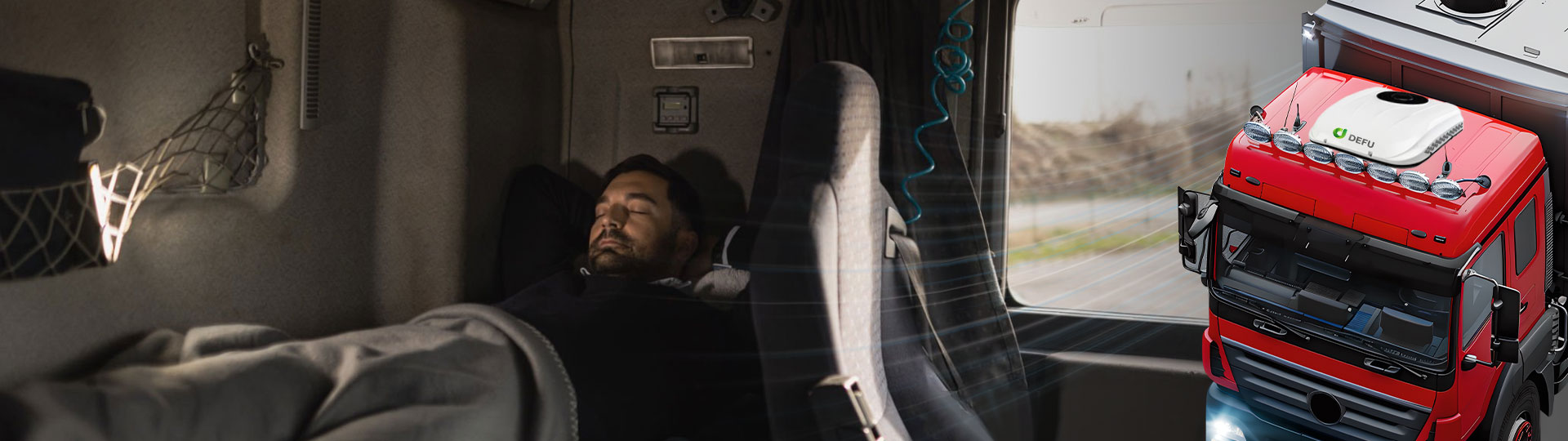
Rooftop Truck Parking Air Conditioner Installation: Sealing, Airflow, and Service Access
Rooftop Truck Parking Air Conditioner Installation: Sealing, Airflow, and Service Access
A rooftop truck parking air conditioner can provide an efficient use of space, but its performance depends heavily on installation quality. The unit must be mounted securely, sealed against water, connected to the correct electrical system, and positioned so that air can circulate through the sleeper cab. Before autumn maintenance schedules become crowded, fleet workshops should standardize the installation process and use a documented checklist for every vehicle.
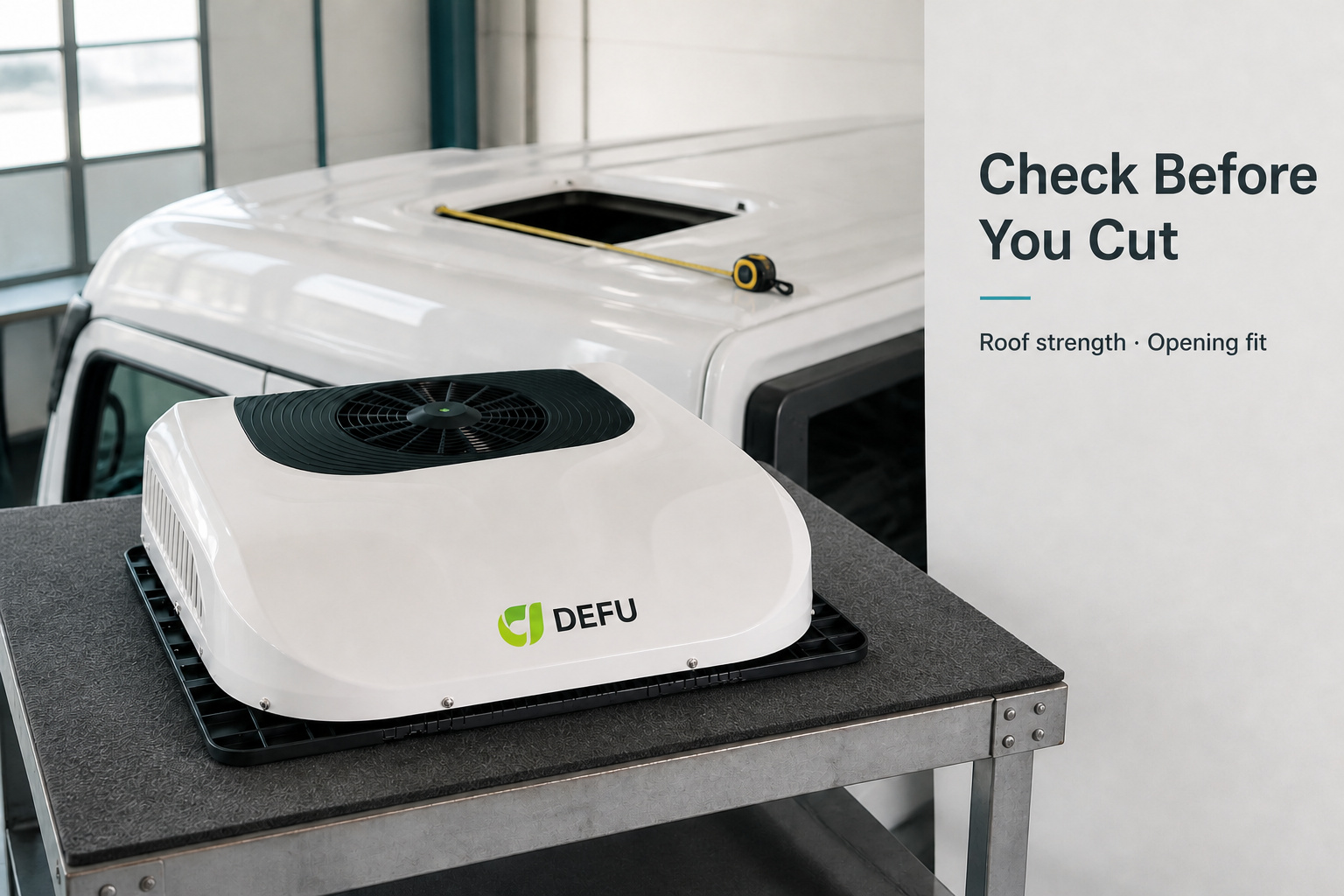
The inspection begins with the roof. Confirm the truck model, cab design, roof thickness, available mounting area, structural condition, and existing roof accessories. Check for previous repairs, corrosion, uneven surfaces, old sealant, antennas, vents, solar equipment, or wiring. A unit should not be installed simply because the physical footprint appears to fit. The roof must be able to support the installation without creating stress, leakage, or interference with other equipment.
The mounting opening is another critical point. Some products use a standard roof opening, while others require a custom bracket or a different mounting arrangement. Measure the opening and compare it with the product drawing before cutting or drilling. Protect the interior from metal dust and debris. The workshop should record the final opening size, bracket type, fastener specification, and sealing material so that future service teams know exactly how the system was installed.
Water sealing deserves special attention during the autumn-to-winter transition. Rain, washing, frost, and repeated temperature changes can expose weaknesses that do not appear during a quick dry inspection. Clean the mounting surface, position the gasket correctly, use approved sealant where required, and tighten fasteners evenly. Excessive tightening may deform the seal, while insufficient tightening can allow water entry. After installation, perform a controlled water test and inspect the interior ceiling area for signs of leakage.

Airflow must be evaluated from both sides of the system. The condenser needs enough space for heat rejection, and the return-air path inside the cab must remain clear. Supply air should reach the sleeper area instead of being blocked by a ceiling panel, storage item, curtain, or poorly positioned duct. A restricted return path can cause unstable operation, higher energy use, or repeated protection events. Take photographs of the finished airflow path for the vehicle record.
Electrical routing should be planned before the roof unit is fixed permanently. Confirm whether the vehicle uses a 12V or 24V system, then select the correct product version, fuse, cable size, and connector arrangement. Protect the harness from sharp metal edges, hot surfaces, water, cab movement, and vibration. Keep high-current cables secure and avoid routing them where they can be crushed. After connection, measure voltage at the unit during operation to identify voltage drop under load.

Service access is often overlooked. Filters should be removable without dismantling unrelated components. The controller should be reachable from the sleeper area, and technicians should be able to inspect connectors, drainage, and mounting points. A rooftop installation that looks neat but cannot be serviced efficiently may create higher lifetime costs. Provide the driver with the model number, installation date, maintenance interval, and support contact.

Noise and vibration should be checked inside the actual cab. Run the parking air conditioner at different fan settings and listen for rattles, loose panels, cable contact, compressor vibration, and roof resonance. A unit may be quiet in a workshop but noisy in a cab if the bracket is misaligned or if an interior panel is under stress. Correct these issues before handover rather than asking the driver to tolerate them.
The final commissioning test should cover startup, cooling response, controller functions, low-voltage protection, shutdown, condensation or drainage, and restart after a short power interruption. Record the result and attach it to the vehicle’s maintenance file. For international distributors, a photo-based installation guide and a workshop checklist can become valuable sales-support content on the independent site.
Conclusion
Rooftop truck parking air conditioner installation is a system-quality project, not a simple mounting task. Roof strength, sealing, airflow, voltage, wiring, service access, noise, and final testing all influence customer satisfaction. By publishing a clear installation standard and applying it before the winter season, Defu can demonstrate practical engineering capability and reduce post-installation problems.