EN
EN

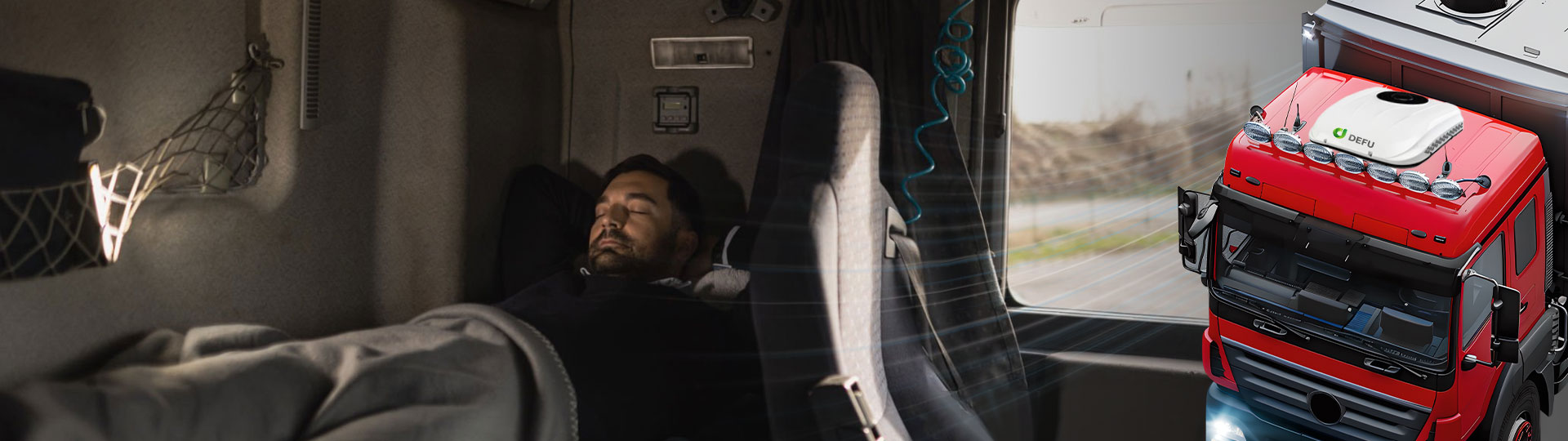
Protecting the Heart of the Truck: How Electric AC Reduces Engine Wear and Maintenance
Protecting the Heart of the Truck: How Electric AC Reduces Engine Wear and Maintenance
In the heavy-duty trucking industry, the engine is more than just a component—it is the heart of the business. For decades, the only way to keep a driver comfortable during rest periods was to "idle" the main engine. However, we now know that excessive idling is one of the most damaging things a fleet owner can do to their vehicles. The rise of all-electric DC air conditioning has provided a solution that protects the engine while ensuring driver comfort.
The Hidden Cost of Idling
Idling a large diesel engine for the purpose of running an air conditioner is incredibly inefficient. A typical Class 8 truck engine may idle for 1,500 to 2,500 hours per year. This constant low-load operation leads to several mechanical issues:
Cylinder Washing:
1. Incomplete combustion during idling can cause raw fuel to wash lubricating oil off the cylinder walls, leading to premature ring and liner wear.
Carbon Buildup:
2. Lower combustion temperatures lead to soot and carbon deposits on valves, injectors, and turbochargers.
DPF Clogging:
3. Diesel Particulate Filters (DPF) clog much faster during idling, leading to frequent "regens" and expensive filter replacements.
By switching to an electric DC air conditioner, these "idle hours" are virtually eliminated, directly extending the time between major engine overhauls.

Electric AC: A Maintenance-Free Approach
Unlike traditional belt-driven systems, electric AC units are self-contained. There are no long hoses running through the engine bay, no compressor brackets to crack, and no belts to snap. This simplicity is a major advantage for B2B fleet maintenance.
High-quality electric units are designed with vibration resistance in mind. Because they are often roof-mounted or back-wall mounted, they are isolated from the high-frequency vibrations of the engine. Furthermore, the use of copper coils ensures that the refrigerant circuit remains sealed and efficient for years. Copper's durability and resistance to thermal expansion cycles make it the ideal material for a system intended to outlast the truck itself.
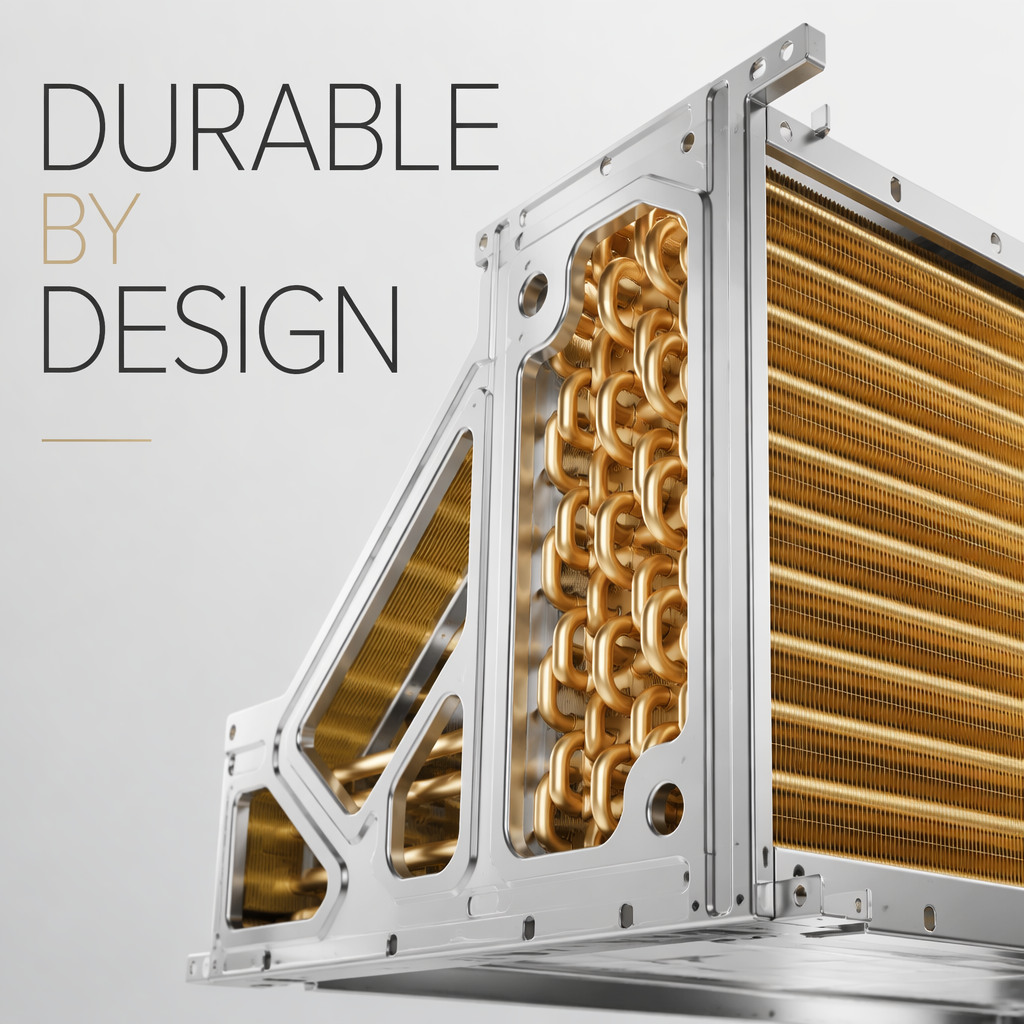
Durability Through Design: The Reinforced Chassis
To survive the constant motion of long-haul trucking, electric AC units are housed in a reinforced chassis. This rigid structure ensures that even when traveling over rough highways or through construction zones, the internal components—the DC compressor, the brushless fans, and the control boards—remain perfectly aligned. This "heavy-duty build quality" is what separates professional-grade cooling solutions from cheaper, consumer-grade alternatives.
Realizing the ROI (Return on Investment)
For a fleet manager, the ROI of an electric AC system is calculated across three main areas:
Fuel Savings:
- Eliminating 8 hours of idling per day can save over 30 liters of diesel per truck, per day.
Extended Service Intervals:
- By reducing engine hours, the time between oil changes and filter replacements is extended by 25% or more.
Resale Value:
- A truck with 5,000 fewer engine hours than an identical model will command a significantly higher price on the secondary market.
Environmental Compliance and Driver Comfort
Beyond the mechanical benefits, electric AC units help fleets stay compliant with increasingly strict anti-idling laws in many jurisdictions. They also provide a better environment for the driver. A silent, vibration-free cabin allows for deeper, more restorative sleep, which is essential for maintaining safety standards on the road.

Conclusion
Protecting the "heart" of your truck requires a move away from the outdated practice of engine idling. All-electric DC air conditioners, built with reinforced chassis and copper coils, offer a robust, high-performance alternative. By reducing engine wear, lowering maintenance costs, and improving fuel efficiency, these systems are not just a cooling solution—they are a critical tool for modern fleet management.